

Custom Polycarbonate Panels for Commercial Greenhouse Projects
Polycarbonate greenhouse panels let in about as much light as regular glass. They stand up to intense sun and rain year after year; strong winds won’t rattle them either. These panels weigh half as much as glass. That means you can skip heavy steel frames and save on structural costs. They fit on large farms, in propagation nurseries, and on rooftop growing spaces. They also fit compact greenhouse structures where every bit of space counts.
We run our own 5,000-square-meter production facility and handle every step in-house. That scale keeps pricing sharp, especially on large-volume orders of PC greenhouse panels. OEM and ODM orders accepted. We also take on refurbishment work for old greenhouses. Zoycen serves the European and American markets year-round. Our team knows local growing conditions and will match panel specs to your climate and site dimensions. Not ready for a full container? Ask about sample orders and low MOQ options.
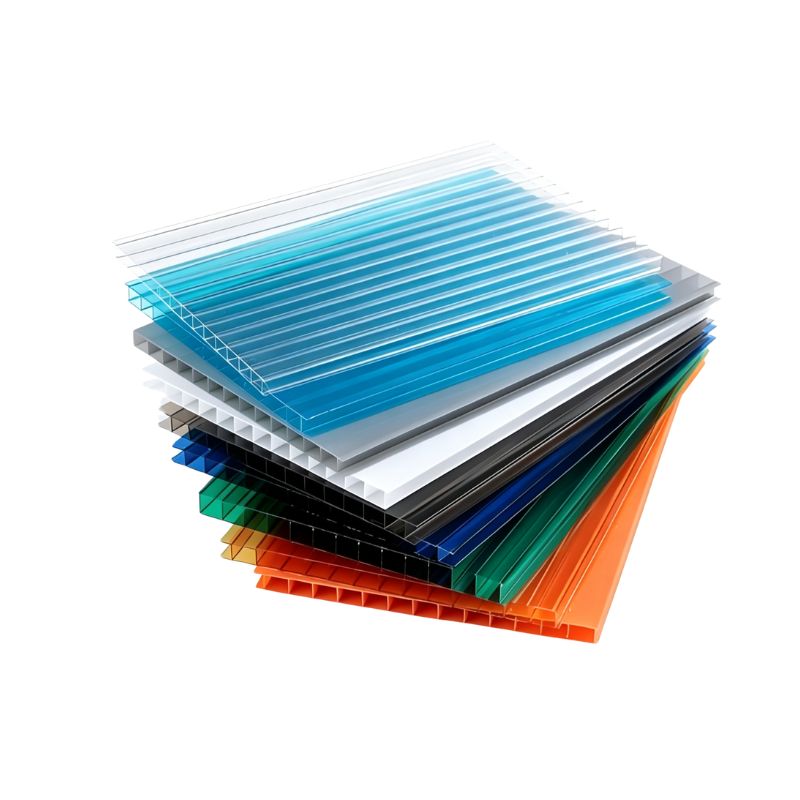
Wider panels mean fewer joints and less labor. We stock greenhouse polycarbonate sheets in 4 to 10 mm sizes. Light transmission runs 50% to 82%. Cold-bend onsite to make arched roofs.
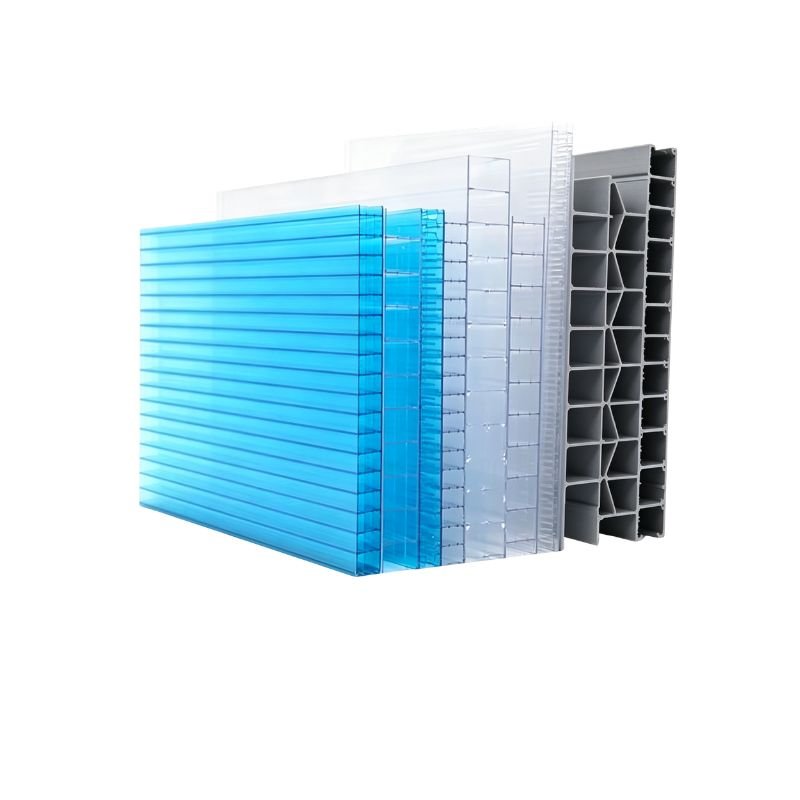
For regions with big temperature swings or harsh climates, 10 to 25 mm multi-wall panels insulate far better than twin-wall sheets. Pick clear, soft-light, or blackout sheets based on what you grow. Too much light, or too little. Either way, these panels solve it.
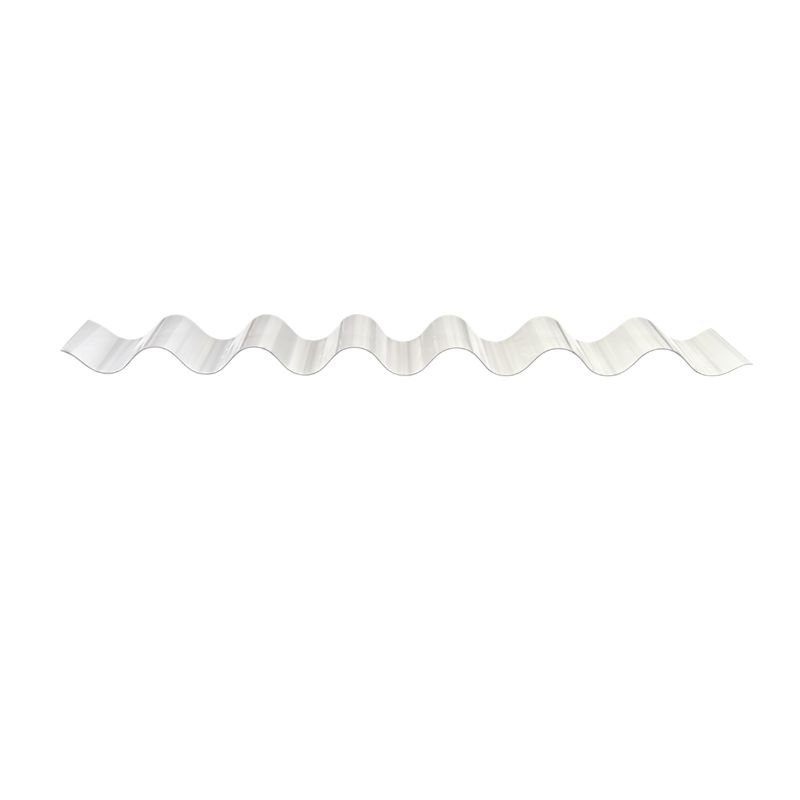
These panels weigh one-eighth of standard glass. You skip the heavy steel framing. That directly cuts your greenhouse build cost. They bend into large-radius curves without extra tooling. Our ten-year warranty against yellowing is full, not prorated. It saves you on replacement and upkeep over time.
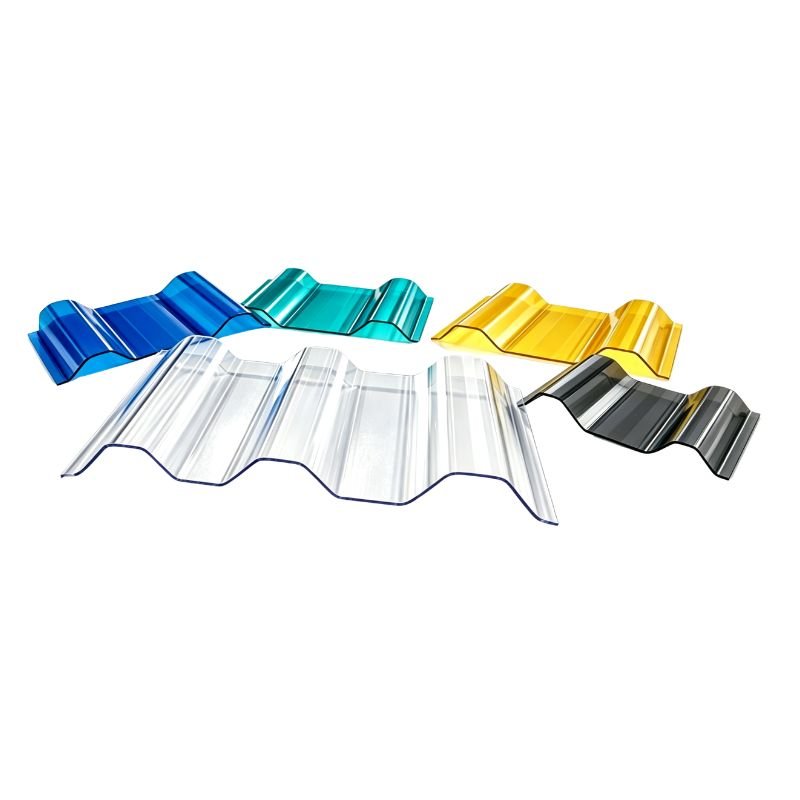
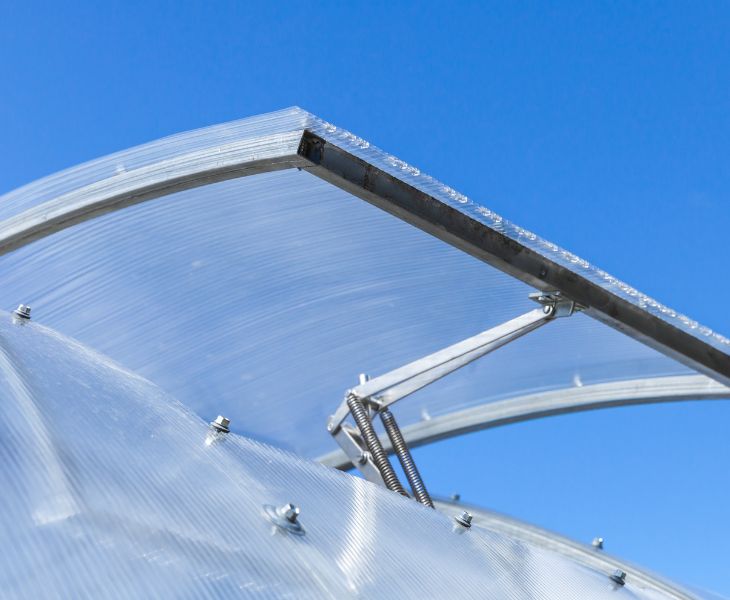
It’s easy to miss the slope and end up with leaks. Keep corrugated panels at 5° or more. Multi-wall sheets have no slope limit. Leave a 2 to 3 mm expansion gap at every joint. Tape the panel ends with breathable anti-insect tape. Keeps dust and bugs out of the channels.
Greenhouse siding sits close to the ground. Soil moisture eats into the bottom edge. Fit metal flashing to block it. Lock-seam panels seal tight without exposed fasteners. Run ribs vertically. Wall condensation drains straight down. Opal or bronze diffused sheets soften light and screen what’s inside.

We cut and pre-fit lock-seam edges before shipping. No site cutting needed. Co-extruded UV layer comes standard. Add anti-condensation or heat-blocking coatings as options. Custom colors are formed right in.
Why Pick Zoycen Polycarbonate Greenhouse Panels?

Blocks harsh UV rays; light won’t scorch your crops.

Takes heavy hail hits, never splits or punctures.

Traps indoor heat, lowers your monthly greenhouse bills.

A simple rinse keeps panels spotless all year.
Co-Extruded Hydrophilic Anti-Condensation Layer
Most spray-coated polycarbonate greenhouse panels lose their anti-fog effect after three to five years outdoors. Water droplets start dripping and pooling, and mold follows. With our co-extruded panels, the condensation spreads into a thin film and runs off along the sides. No dripping, and we back it with a ten-year warranty. Built for long-term commercial greenhouse projects.

X-Structure Multi-Wall Insulation Design
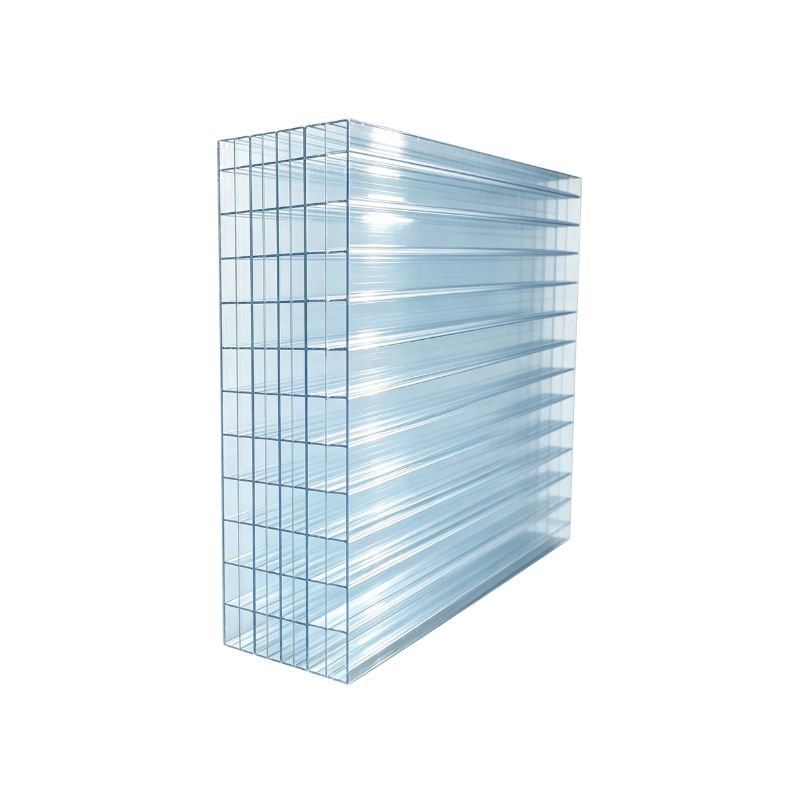
Standard twin-wall polycarbonate greenhouse panels have just one hollow layer. Heat cuts right through, so your heating or cooling runs nonstop. When you order our X-structure multi-wall polycarbonate greenhouse panels in bulk, the cross-hatched frame creates multiple sealed air pockets. Add in the infrared-blocking co-extruded layer, and your heating or cooling runs less. That cuts your long-term greenhouse energy costs.
Specifications For Polycarbonate Greenhouse Panels
| Specification | Details |
| Panel Types | Twin Wall, Multi-Wall, Corrugated Polycarbonate Panels |
| Thickness | 4–10mm (Twin Wall), 10–25mm (Multi-Wall) |
| Light Transmission | 50%–82% (Twin Wall), 65%–78% PAR (Multi-Wall clear grade), Up to 90% (Corrugated, depending on structure) |
| Standard Widths | 4ft, 6ft stock sizes |
| Weight vs. Glass | 1/8 the weight of standard glass panels |
| Cold Forming | On-site bend for arched greenhouse roofs |
| UV Protection | Co-extruded UV layer on all panels |
| Yellowing Warranty | 10-year full warranty, corrugated non-prorated |
| Optional Coatings | Anti-condensation layer, infrared heat barrier |
| Expansion Gap | 2–3mm per meter of panel |
| Custom Edges | Pre-cut sheets, pre-machined lock-seam edges |
| Color Choices | Clear, soft opal, bronze blackout, custom extrusion colors |
| OEM Options | Logo print on protective film, custom packaging |
| Certification | ISO 9001:2015 |
Want a quote? Share your greenhouse specs.
Polycarbonate Panels Suited To All Greenhouse Operations
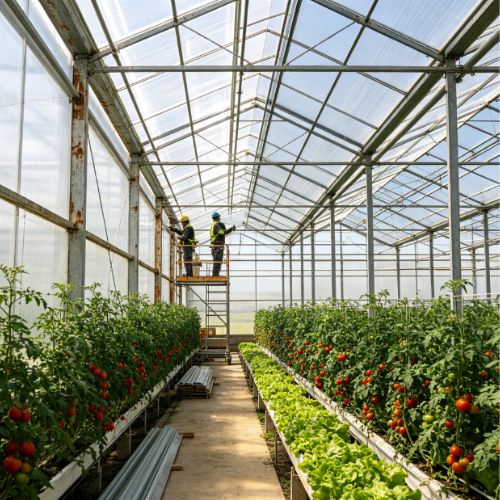
You don’t need to tear down the steel frame when fixing up old greenhouses. PC panels are light. Choose the right light transmission for your crops, like tomatoes or lettuce. It saves you a lot on labor and materials in a multi-span retrofit.
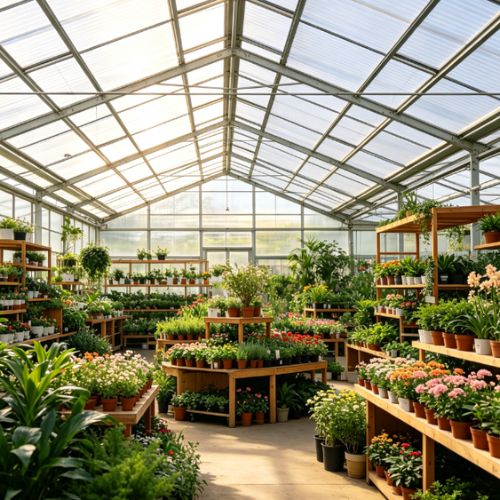
These polycarbonate panels go into plenty of add-on commercial jobs. They end up as indoor skylights for greenhouse displays. You get a lush, planted look. The panels also cut the stuffy heat trapped in enclosed shops.
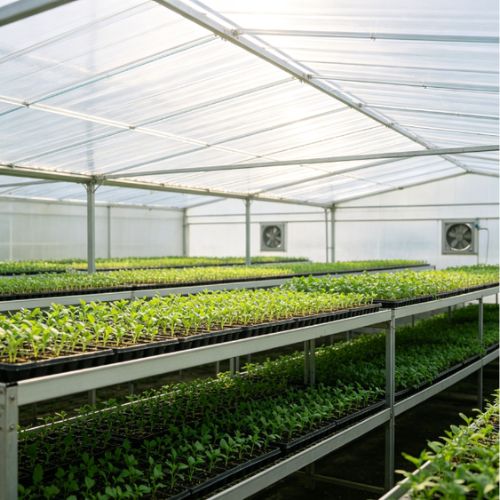
With multi-layer nursery racks, the lower levels often don’t get enough light. PC greenhouse panels handle that. Their 70% to 90% even light transmission reaches every tier. Your nursery keeps running all year.
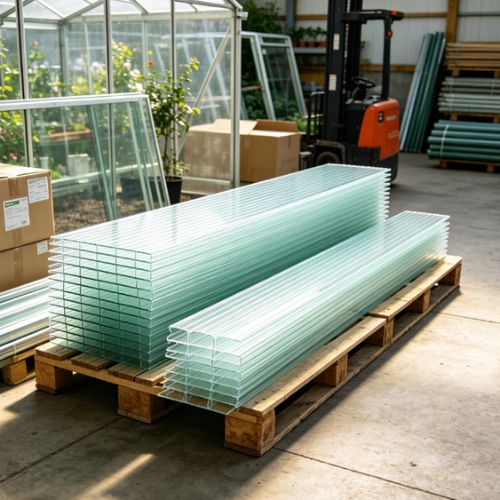
You can mix 4-foot and 6-foot polycarbonate panels on the same pallet. No need to split your inventory between farm jobs and landscape builds. One stock covers all your greenhouse orders, big or small.
More Plastic Sheet Capabilities We Deliver For Your Projects
 Plastic Machining
 Plastic Injection Molding
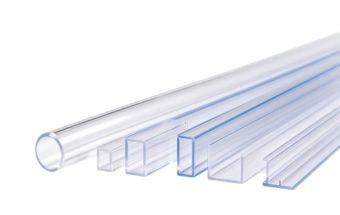 Plastic Extrusion
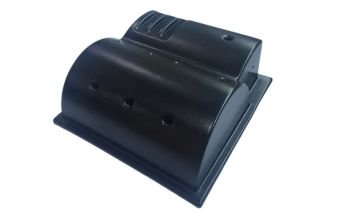 Plastic Vacuum Forming
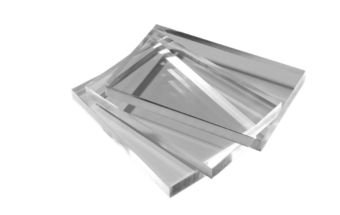 Plastic Laser Cutting
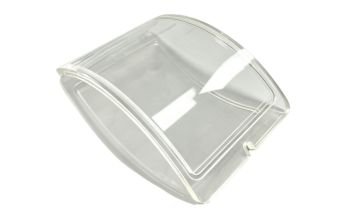 Plastic Bending
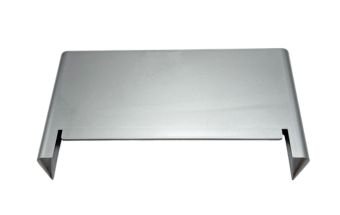 Plastic Thermoforming
 Plastic Screen Printing
 Plastic Engraving
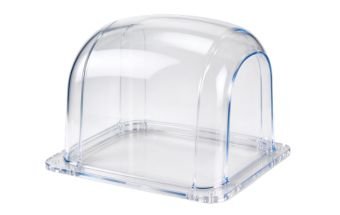 Pressure Forming
This polycarbonate greenhouse sheet is much tougher than regular glass. Small hail won’t punch through its surface. If you get heavy hail regularly, just go with 10 mm or thicker greenhouse panels. We’ve got growers running these polycarbonate panels for three or four seasons now. Heavy hail, more than once. Not a single sheet has needed replacing.
For bulk orders, we print your logo right onto the protective film. This film gets laminated onto the panel surface, so prints won’t wear off or fade after years outside. Smaller quantities cost more to print straight onto the protective layer, so we switch to silk-screen for those. The ink is made for polycarbonate greenhouse panels, bonds tightly, and won’t peel or rub off. Send over your artwork, and we’ll make a physical sample of greenhouse panels for you to check. Once you sign off on it, we’ll move to production. Everything stays on your timeline.
Standard sizes are always in stock. Once your payment clears, we’ll have everything packed and ready to ship within 7 working days. If you need custom cuts or a special coating, it takes a bit longer. Plan on 12 to 18 days for production. When you order, I’ll give you a solid shipping date. Makes it easier to plan your greenhouse panel installation around it.
Send us your frame dimensions, and we’ll put together English installation guides plus matching videos based on your specs. Hand them straight to your crew, and they’re good to go. Don’t seal the panels tight when installing. As temperatures rise, the polycarbonate expands, and that’s what makes it warp or buckle. If anything comes up during installation, just reach out to our tech team online. They’ll help you sort it out.
Exactly. Just leave a 3 mm expansion gap per metre when you install. Darker panels soak up heat faster. If you’re installing in a region that stays hot year-round, widen the gaps a bit. Give the sheets enough room to move, and you’ll avoid warping or water seeping through the joints.
Every panel gets a scratch-resistant film on both sides, full coverage. Thick foam corner protectors go on each corner separately. All panels are laid flat and stacked before packing into the container. Once the container is loaded, everything gets strapped down tight. Most damage during sea freight happens on the edges and corners. This setup cuts that way down, so your panels arrive in much better shape.