
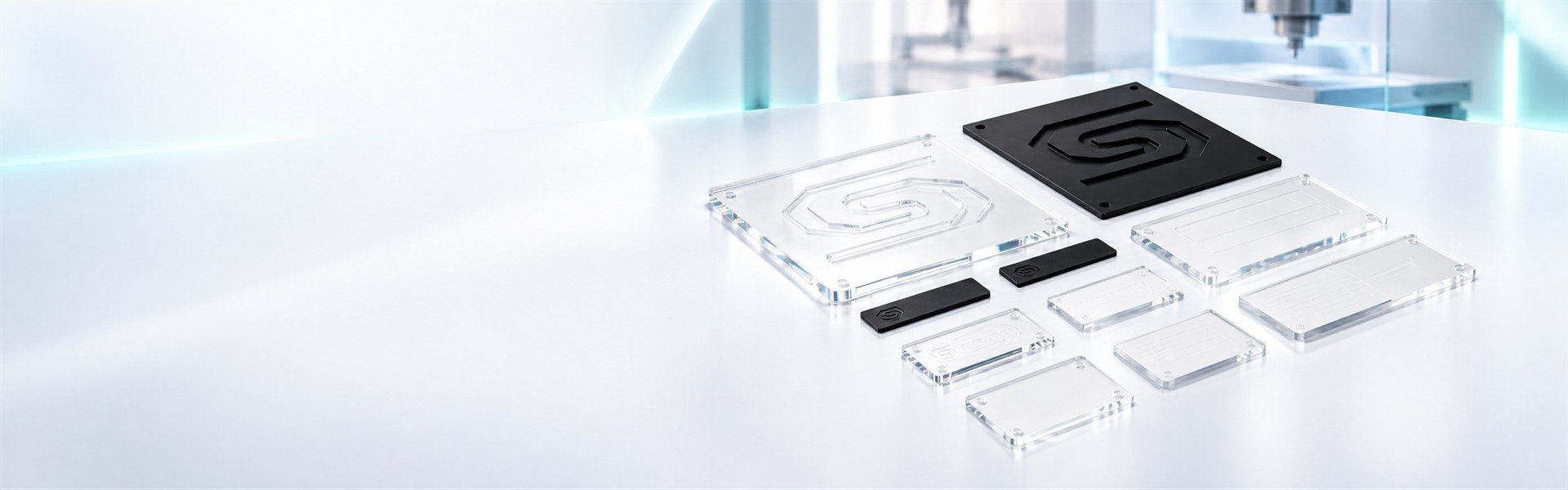
What is Plastic Engraving?
Plastic engraving serves as a high-precision manufacturing process. Material is precisely removed from sheet surfaces using advanced subtractive machining equipment to form sharp, long-lasting recessed lettering, markings, scales and 3D patterns. Compared to traditional pantograph engraving, modern laser and rotary engraving deliver higher accuracy and finer detail. Because the design is cut into the material rather than printed on top, it won’t peel or fade easily.
With over 15 years of expertise in precision plastic fabrication, Zoycen delivers premium engraving services for Acrylic, PC, and ABS. Both our laser-engraved sheets and CNC-machined components produce clean, high-contrast, consistent markings. Our industrial panels, nameplates, and signage all include custom text, logos, and graphics. Submit your design files, and our engineers will develop custom manufacturing solutions tailored to your project.
Zoycen Sheet-to-Part Plastic Engraving and Finishing
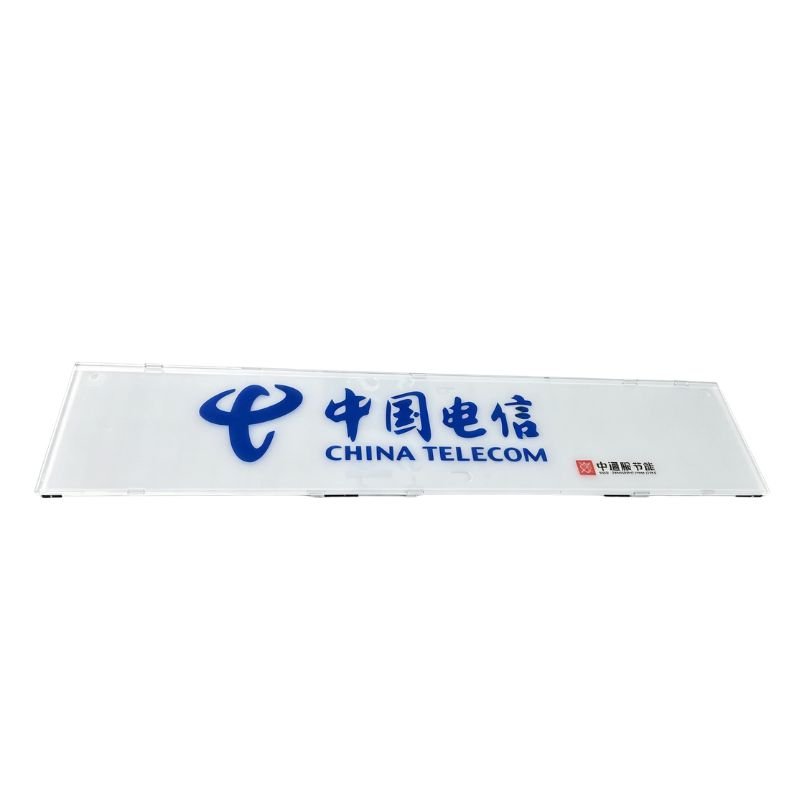
Contactless laser engraving produces fine text, backlit patterns, logos, and barcodes. For premium displays and signage, it eliminates burnt edges, yellowing, and dust, ensuring a cleaner finish and stable yield.
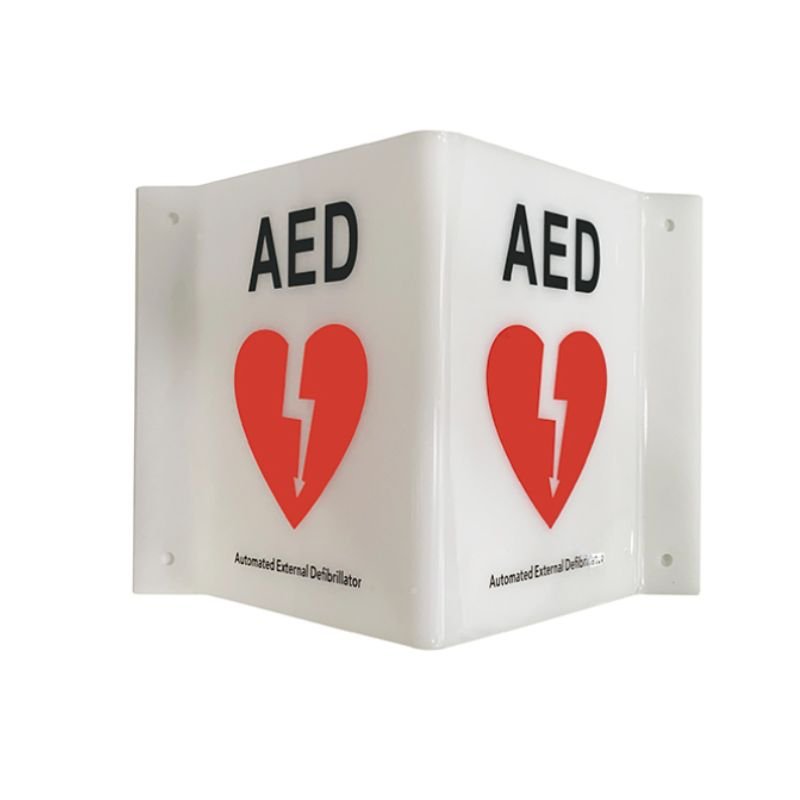
Rotary engraving suits dual-color (2-ply) plastic sheets, thick plastic plates, and applications requiring color filling or deep engraving. It mechanically cuts clean, heat-free grooves, safely processing chlorinated polymers (such as PVC), alongside other laser-incompatible engineering plastics.
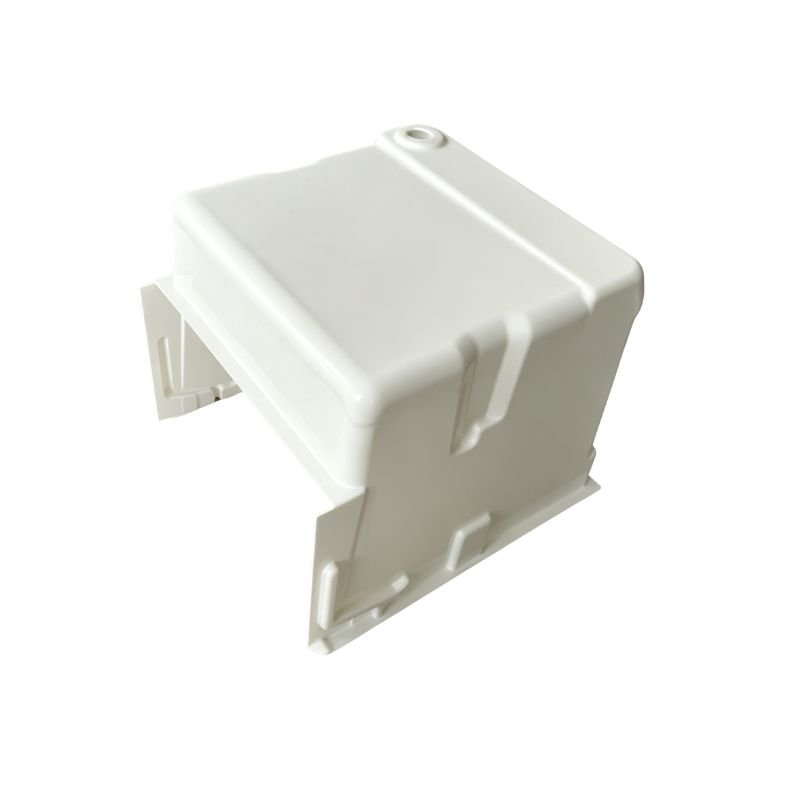
CNC engraving works on complex, intricate geometries that need precise alignment. Programmed tool paths ensure accurate engraving and consistent parts across batches. It fits projects with tight tolerances and precision assembly.
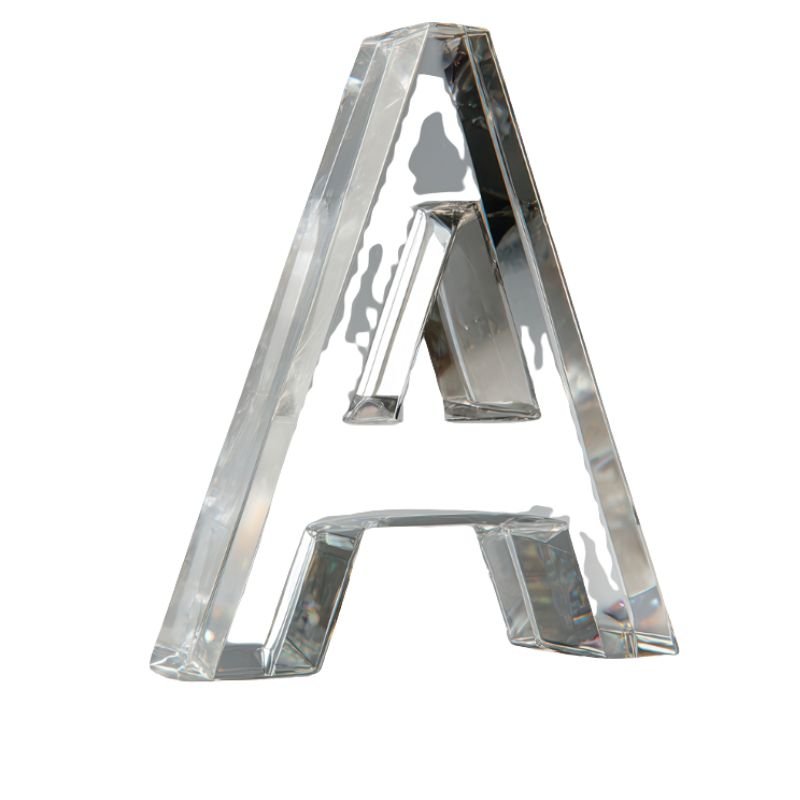
Poor surface prep leads to flawed engraving. Our pre-engraving cleaning clears blemishes and contaminants to deliver consistently flawless engraving results.
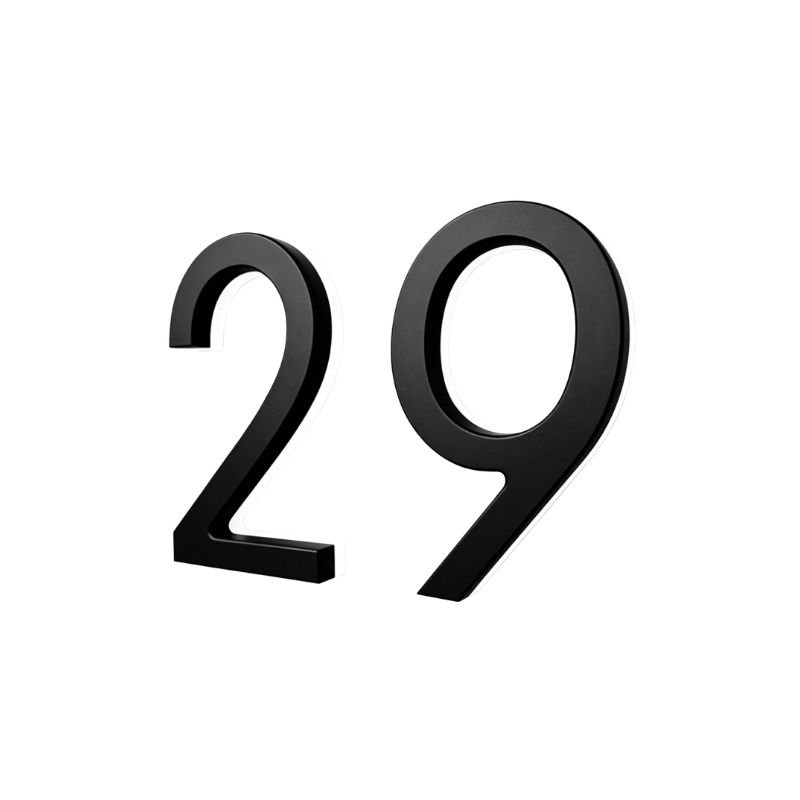
Have a design, logo, or serial numbers but no vector file? We turn sketches or samples into CAD or CorelDRAW-ready artwork. Custom fonts, odd shapes, and variable barcodes are supported.
Precision Structural Forming Technology
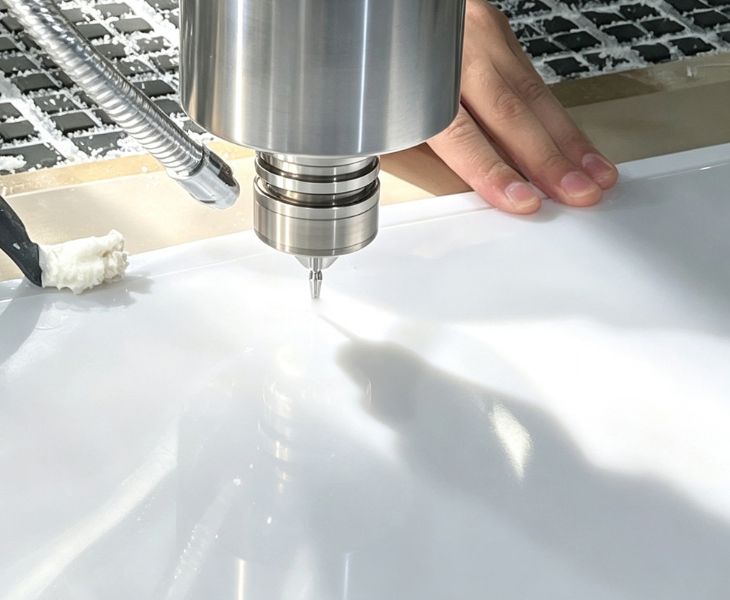
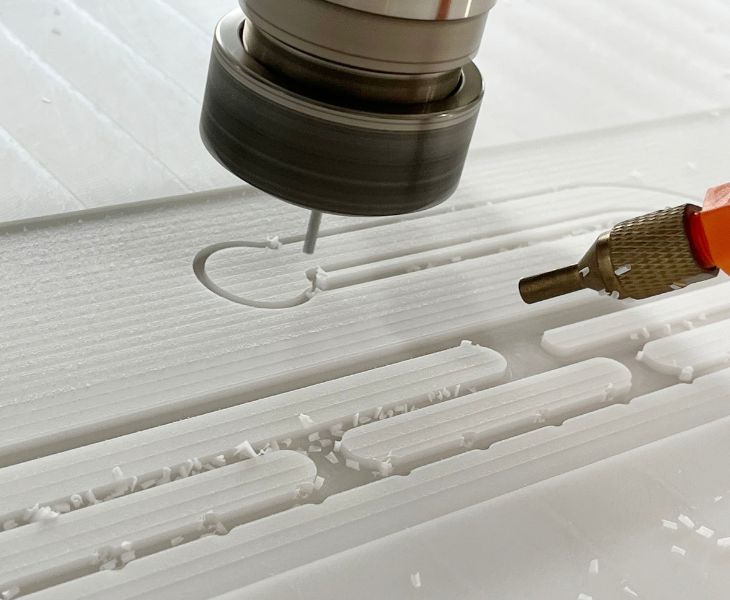
You can adjust engraving depth from 0.1 mm to 3 mm depending on your project, with tolerances held to ±0.05 mm, ensuring a seamless fit for tight-tolerance industrial assemblies. We pre-machine counterbores and chamfers directly on your plastic parts. Our processing covers large-format panels sized 1220×2440 mm and various irregular custom shapes.
Integrated Custom Surface Processing
We integrate engraving, milling, grooving, and screen printing into one surface finishing process for plastic engraving. After your parts are engraved, you can choose Pantone or RAL color-matched paints, paired with UV-resistant and solvent-proof coatings. We also offer various industrial adhesive backings for mounting your engraved plastic components.
Full Material Compliance
When you work on automotive, medical, or industrial control projects, you can directly access our complete material traceability records. All raw materials are sourced and processed under our ISO 9001-certified quality system. PC sheets can be supplied with a UL94 V-0 flame retardant rating, and all materials in our range are RoHS and REACH compliant. Sheets leave the factory with a PE protective film to prevent scratches during raw material transport. We support your selection of various material types, textures, and colors for your project.
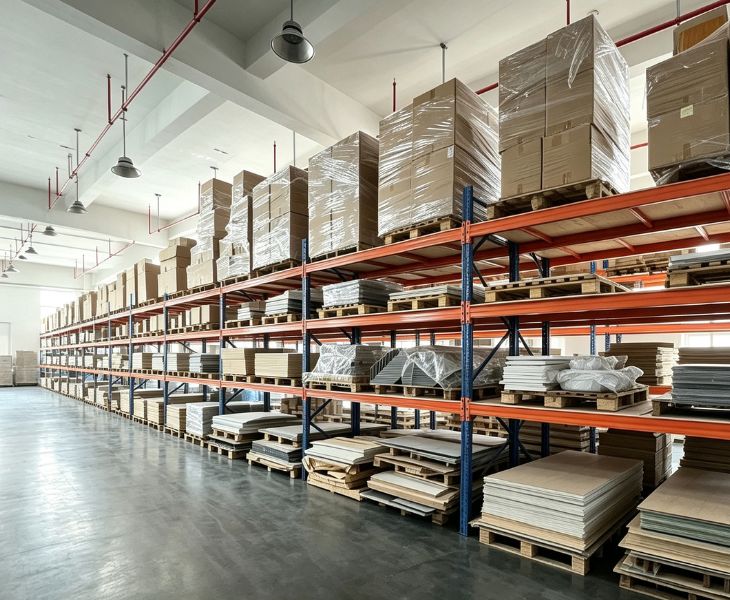
Plastic Engraving Specification
| Specification | Detail |
| Materials | Acrylic, PC, ABS |
| Engraving Depth | 0.1–3 mm, adjustable |
| Min. Engraving Text Size / Line Width | 0.5 mm / 0.15 mm |
| Tolerance | ±0.05 mm |
| Max Engraving Area | 1220 × 2440 mm |
| Material Thickness | 1–15 mm |
| Surface Finishes | UV coating, solvent-proof coating, Pantone / RAL color fill |
| Adhesive Backing | 3M series, high-temp tape, foam tape |
| Accepted File Formats | STEP (.stp/.step), IGES (.igs), DXF, DWG, AI, Vector PDF (Compatible with all major CAD software) |
| Certifications | ISO 9001, UL94 V-0 (PC), RoHS, REACH |
| Production Modes | Prototype sampling, high-mix low-volume (HMLV), and high-volume mass production (Up to 50,000+ parts/month) |
| Standard Lead Time | 2–5 working days |
| Rush Service | Available |
| Quality Inspection | Coordinate measuring machine (CMM) verification, 2D optical projectors, and 100% aesthetic audits before packing |
Commercial-Grade Plastic Engraving for All Your Needs
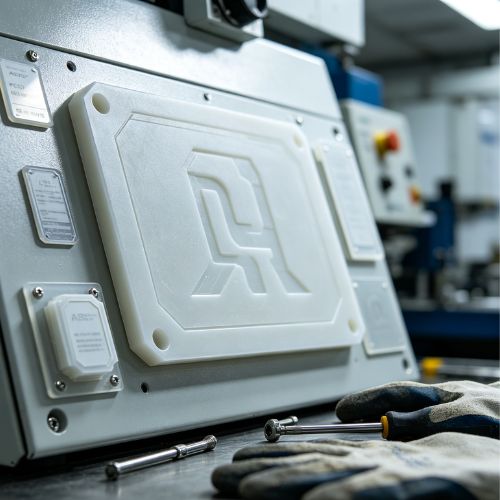
Frequent wiping can wear off surface-printed labels. Plastic engraving cuts text and graphics into the material, making them permanent. Our custom engraved plastic tags and heavy-duty engraved plastic plates pass rigorous safety and industry inspections smoothly, preventing delivery delays caused by worn or illegible identification.
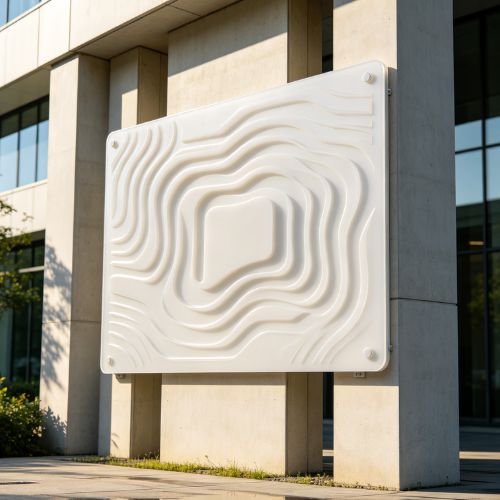
Prolonged sun exposure makes outdoor signs fade and degrade fast. Plastic engraving on UV-resistant sheets keeps engraved textures intact much longer. That longer lifespan helps you cut extra costs from future replacements or refurbishments.
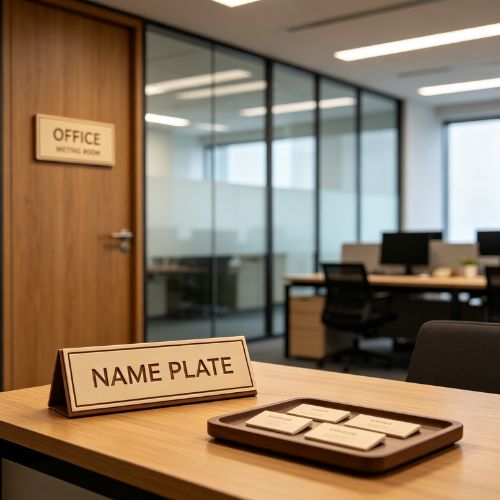
Sourcing office signs from different places creates color mismatches. Plastic-engraved door signs, desk plates, and badges keep the whole set consistent. A single supplier also saves you the hassle of multiple contacts.
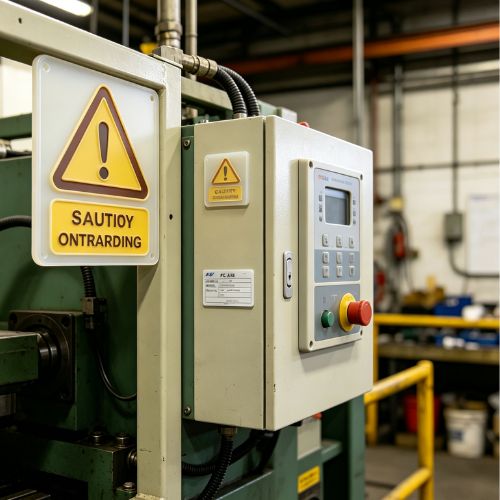
If you’re tightening site safety or organizing equipment, our plastic engraved safety signs, asset labels, and machine panels fit the task. Uniform markings meet inspection standards. Engraving resists wear and stays clear for years. It will not blur or fade.
No. Plastics vary widely in hardness and heat resistance. ABS, for instance, is better suited to rotary engraving, while acrylic works well with laser engraving for fine detail. We match the process to the material.
Laser engraving relies on concentrated thermal beams to vaporize or mark polymer surfaces, delivering sharp lettering, detailed logos, and a matte frosted finish on acrylic without inducing mechanical stress on raw plastics. Rotary engraving relies on physical cutting tools. It provides stronger cutting force and consistent results for deep engraving on thick panels and color-filled grooves.
Yes. Clear acrylic and solid-color industrial sheets can both be color-filled. We fill the grooves with durable acrylic or epoxy paint, matched precisely to your Pantone or RAL color codes.
Please provide vector files for machine processing. We accept DXF, DWG, AI, and vector PDF. Before sending your artwork, convert all text to curves to avoid missing fonts that can cause engraving errors.
Yes. We use UV-resistant acrylic, outdoor-grade two-color sheets, and other weather-resistant materials. The finished tags withstand long-term sun, rain, and temperature swings. They won’t easily fade, peel, or lift after years of use.
After engraving, we reapply the protective film. Each piece goes into its own foam slot, and the box is packed with cushioning material. Long-distance sea or air freight means heavy vibration. This packaging prevents friction and collision in transit, keeping the surfaces scratch-free.
Additional Plastic Fabrication to Support Your Project
- Plastic extrusion
- Plastic injection molding
- Plastic thermoforming
- Vacuum forming
- Plastic laser cutting
- Plastic bending
- Plastic screen printing
- Pressure forming
- Plastic machining
Advantages of Custom Plastic Engraving
Printed and sticker labels wear out and fade after long-term rubbing and sun exposure. Plastic engraving cuts text and graphics straight into the material. This process delivers several distinct manufacturing advantages:
- Deep-engraved markings hold up in marine, heavy industrial, and outdoor infrastructure environments. All raw materials fully comply with RoHS and REACH regulations.
- For applications requiring high-contrast legibility, we offer dual-color sheets and precision post-engraving color filling. The color contrast comes naturally, and brand logos and warning text end up much easier to read.
- Combined laser and CNC engraving cuts thermal and mechanical stress on plastics, stopping cracking and warping during processing.
- The process fits most customization needs. Standard plastic nameplates, tags, and dynamic data like serial numbers and variable barcodes can all be engraved directly.
- Engraving only affects the surface. It doesn’t change the plastic’s original physical or chemical properties, so your product’s performance stays the same after processing.
How to Choose the Right Engraved Plastics for Outdoor vs. Indoor Applications?
Outdoor environments face constant sun, rain, and UV exposure. This demands high weather resistance from the material. Engraving plastics that stay stable, resist fading, and stand up to weathering make the right fit:
- Polycarbonate handles heat and UV well. It resists cracking and warping outdoors, making it a solid pick for outdoor equipment labels and exposed signage.
- Acrylic with UV stabilizers engraves clearly and holds its color, so it works for outdoor decorative signs and warning plates. Standard acrylic tends to yellow and turn brittle under the sun—it’s not fit for outdoor use.
Indoor products don’t face sun or rain. Weather resistance isn’t a concern. Pick materials that engrave cleanly and take color fills well:
- ABS engraves without burnt or melted edges. Color fills come out even, and fine details show up clean. It’s a solid choice for indoor nameplates, tags, and internal equipment labels.
- Acrylic engraves cleanly, transmits light well, and looks sharp on backlit signs and corporate plates. Two-color sheets need no extra fill. Indoors, UV modification isn’t required, so they cost less.
Some plastics engrave poorly under laser engraving and carry processing risks:
- While PP and PE yield precise cuts with CNC engraving, they easily melt under laser processing, causing burrs, thermal distortion, and dimensional errors.
- PVC releases harmful chlorine gas during laser engraving. It’s a safety risk and not recommended for engraving.