
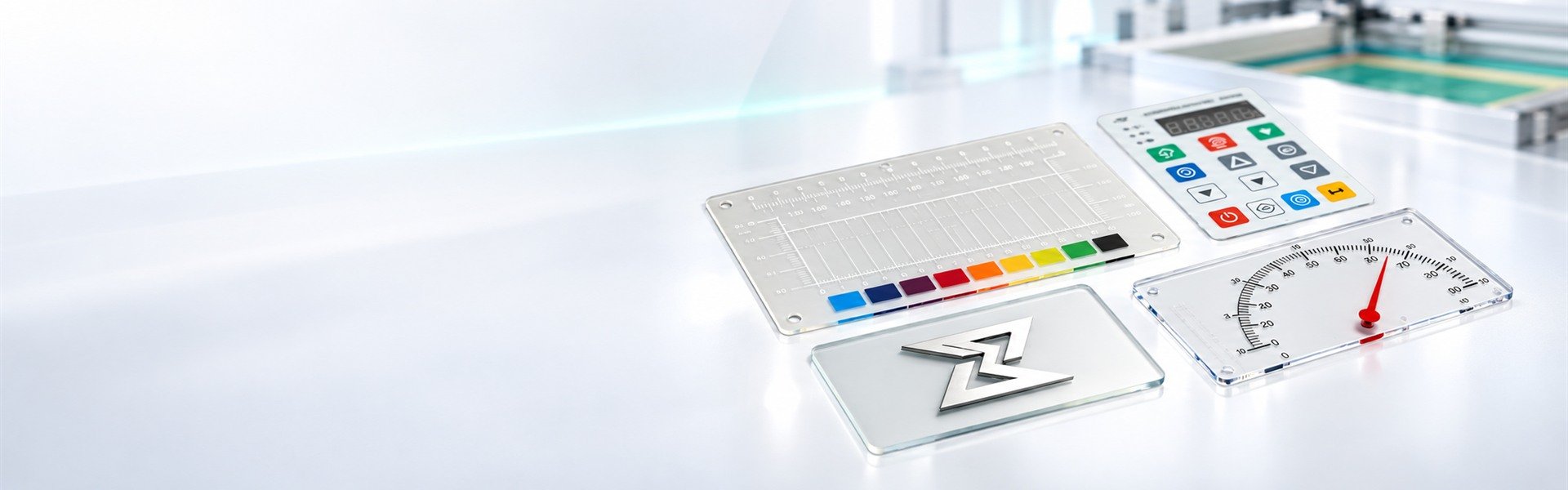
What is Plastic Screen Printing?
Plastic screen printing is a mature industrial surface graphic process that balances cost efficiency and long-term durability. It delivers stronger ink bonding on plastic substrates and better aging resistance, making it ideal for mass-producing equipment panels, nameplates, and outdoor signage.
Zoycen focuses on flat plastic sheet screen printing. We set print specs for each substrate and match the mesh for crisp details, with no ink lift or print blemishes. With in-house screen making and ink mixing, we keep ink thickness consistent batch to batch, within ±5μm under stable production. This ensures consistent full coverage on large plastic sheets up to 2000×3000mm and cuts sampling and production lead times. We also provide professional artwork optimization and layout adjustment guidance. All production complies with ISO9001 quality standards and meets cross-border export inspection requirements.
Zoycen Consistent Quality Plastic Screen Printing
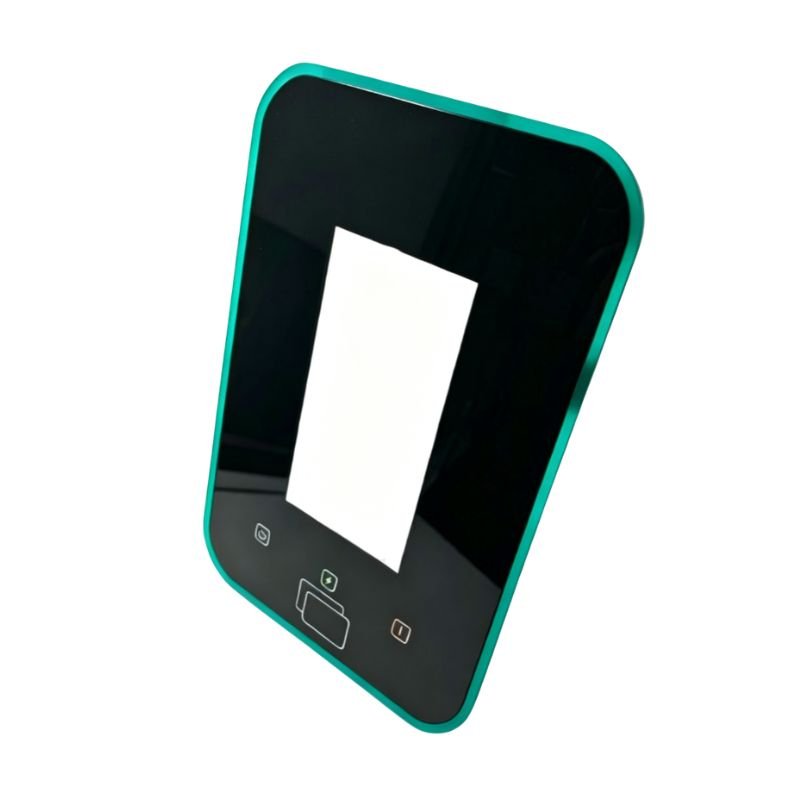
On PC, acrylic, and ABS sheets, you often see uneven ink thickness and blurry edges. This high-precision process handles those problems well. Even on large runs, the print texture stays fine and consistent.
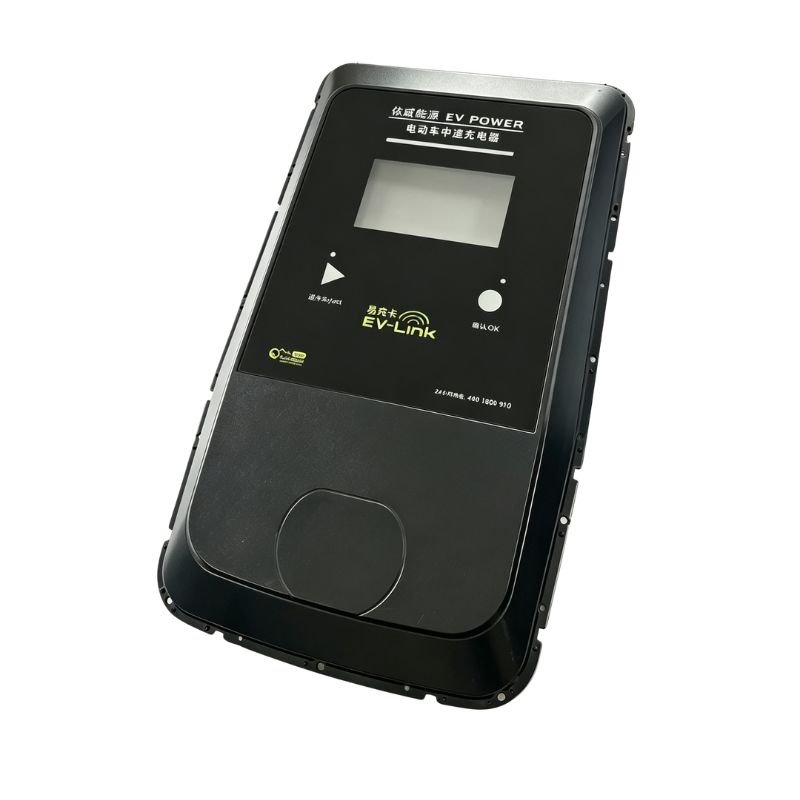
When multiple colors are printed on an industrial panel, any misalignment can ruin the finished look. We hold tight registration and place each color precisely, even in continuous mass production, so scales and color-coded markings come out sharp and clean.
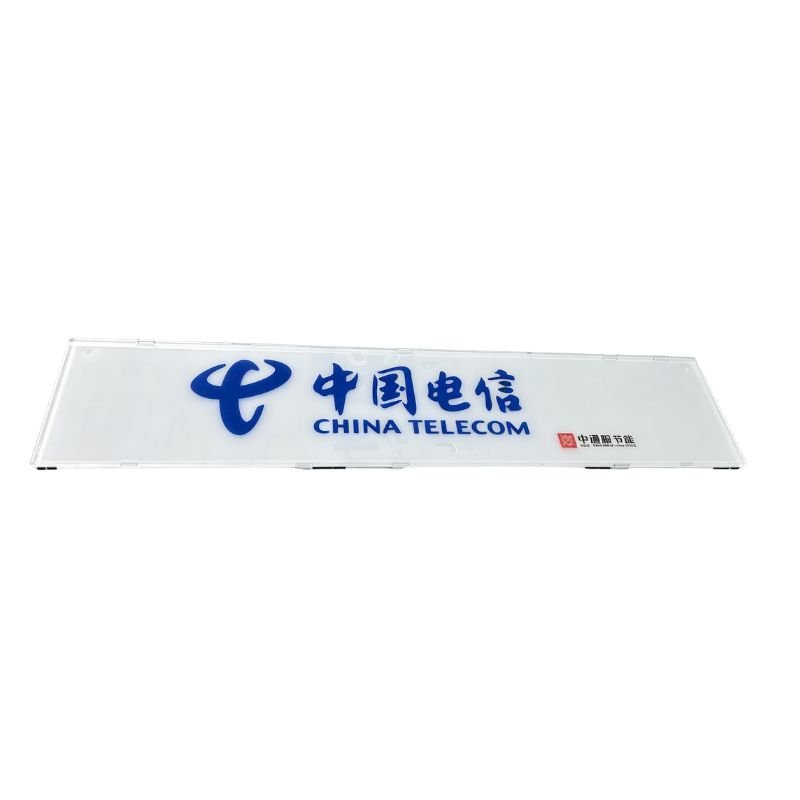
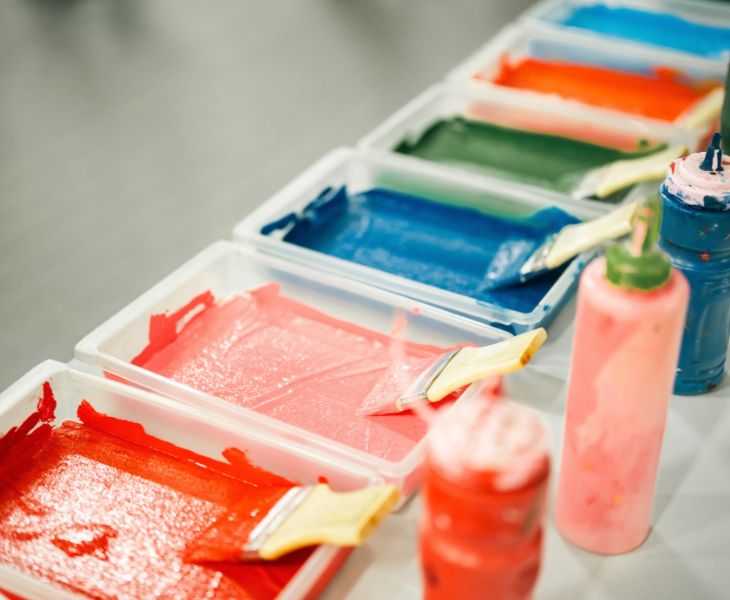
You can choose from matte, metallic, fluorescent, and UV-curable inks. Tailored decorative and functional finishes set your product apart from standard plastic sheets on the market.
Corona and flame pretreatments raise substrate surface energy for stronger ink adhesion. That reduces rework caused by ink peeling and abrasion.
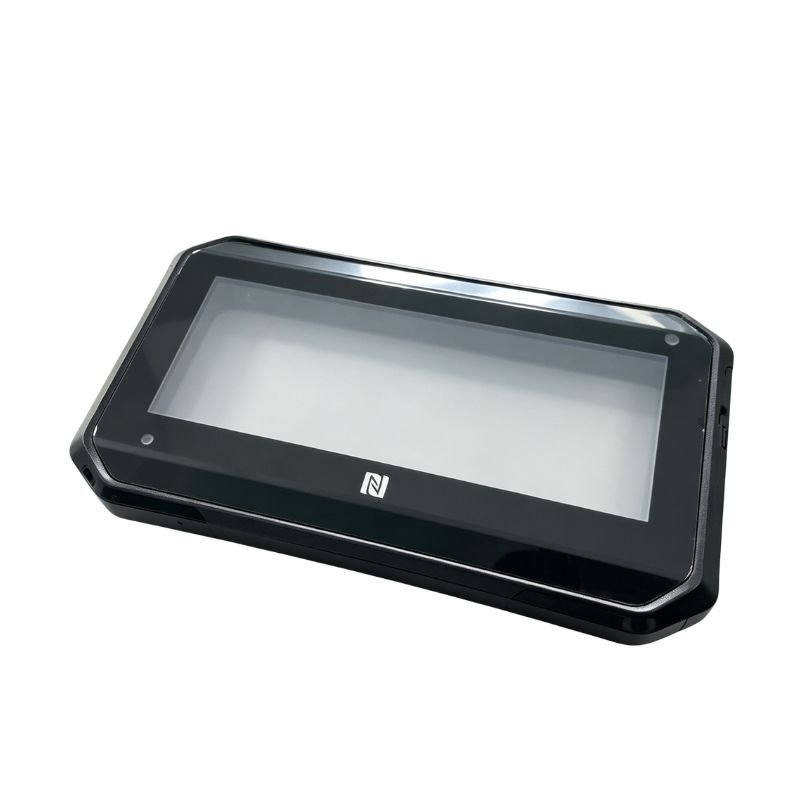
Screen printing, cutting, bending, drilling, and film application are all handled together. It eliminates misalignment flaws and print scratches caused by multi-supplier handoffs. You don’t need to coordinate with multiple suppliers. Less back-and-forth, and your order gets delivered noticeably faster.
Semi-Automatic Lines for Flexible Order Volumes
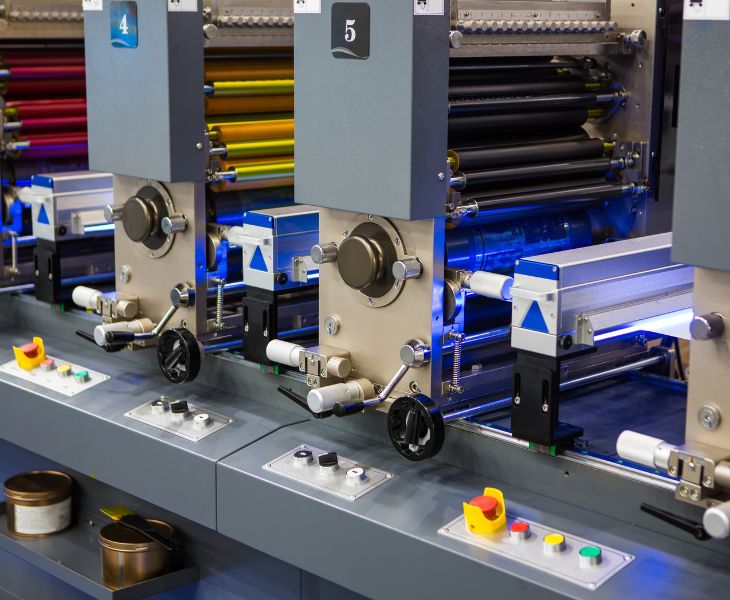
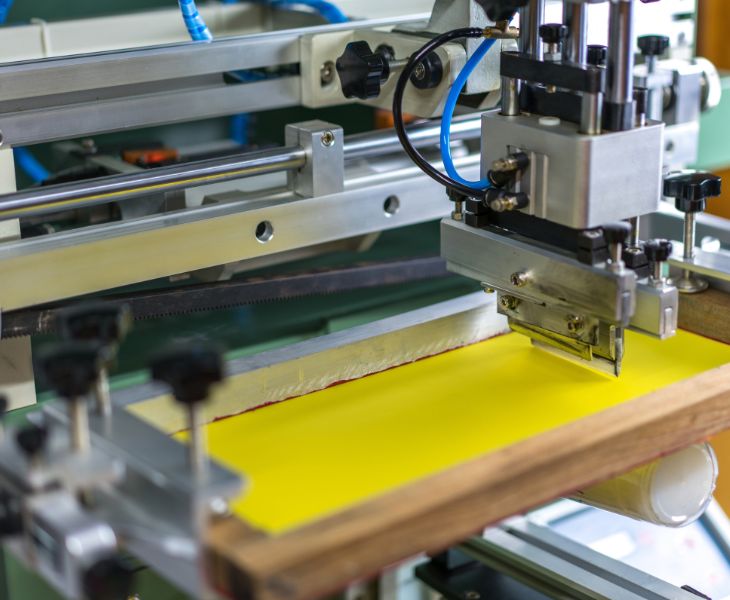
We run semi-auto printing lines for big plastic sheets, control panels, and nameplates. Each color is printed individually, so the ink builds up thicker and more evenly. It helps you avoid the registration shifts that often show up in batch production. Your finished prints stay consistent in texture and feel.
Precision Spot Color Matching & Batch Consistency Control
Whether you use standard four-color or custom brand colors, we mix them as needed. Every formula is kept as a color standard. When you reorder, we pull it up and reuse it directly, which cuts down on color variation. That keeps the look of your products highly consistent from batch to batch.
Solvent & UV-Curable Dual Ink Systems
Match ink types to your product’s working conditions. For outdoor ABS or PC pieces, we use custom low-stress solvent inks. Made only for plastic sheets, these formulas stop PC stress cracking and stand up well to abrasion and chemical exposure. If your part has fine graphics or you need faster delivery, UV inks cure more quickly and render details sharper, helping you shorten production time.
Plastic Screen Printing Specifications
| Specification | Detail |
| Materials | PC, acrylic, ABS flat sheets |
| Max Printing Size | 2000 × 3000 mm |
| Color Registration | Up to 9-color, Pantone spot matching |
| Ink Systems | Solvent-based, UV-curable, specialty finishes |
| Surface Pretreatment | Corona and flame treatment |
| Ink Thickness Tolerance | ±5μm maintained under stable production standard ink deposition: 15–60 μm |
| Integrated Finishing | Cutting, bending, drilling, and film application |
| Quality Inspection | Adhesion test, dry/wet rub test, chemical resistance test, environmental aging test, visual defect grading |
| File Formats | AI, vector PDF, PSD |
| Certifications | ISO 9001, RoHS, REACH |
| Production Modes | Prototype, small batch, high-volume runs |
Industrial Plastic Screen Printing for Demanding Applications
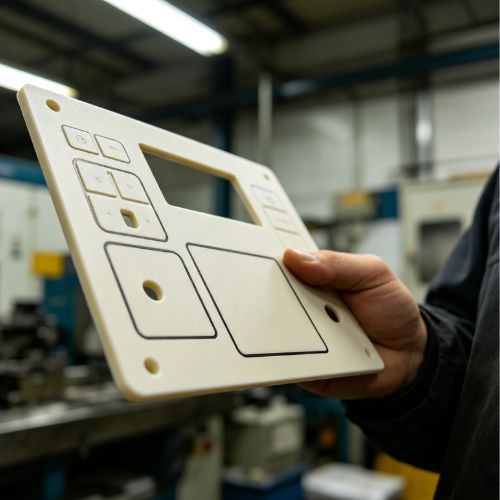
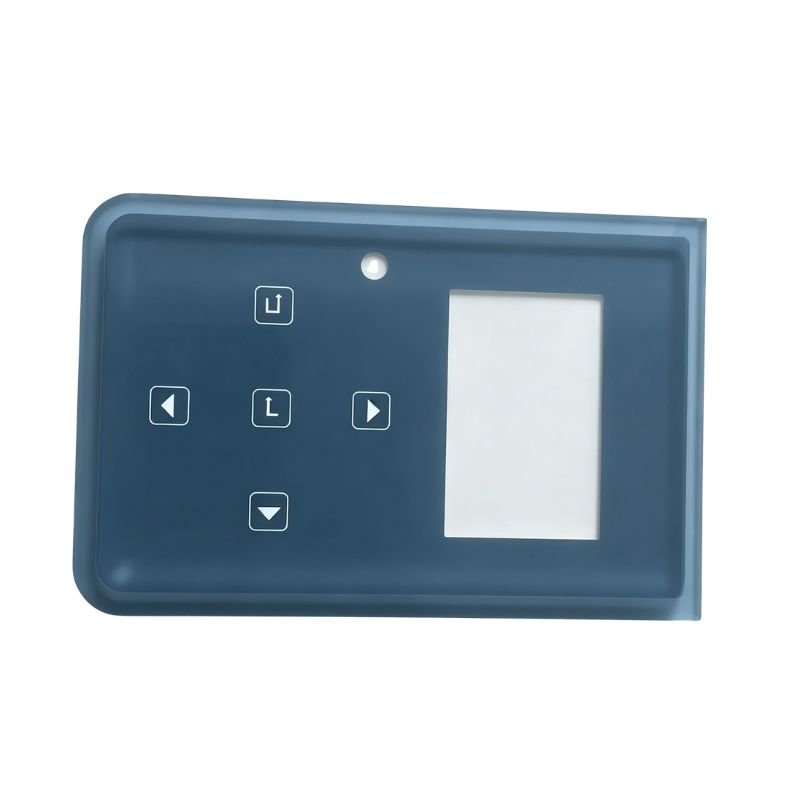
We produce ABS and PC industrial control and instrument panels. Screen-printed button icons and function markings resist frequent physical touching and daily chemical wiping, holding up under long-term workshop and corrosive operating environments.
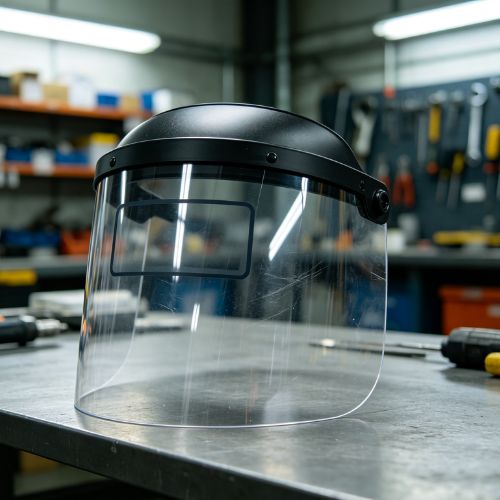
We make plastic face shields and safety guards. Screen-printed warning markings bond tightly and resist scratches and abrasion, helping safety markings remain visible during long-term use.
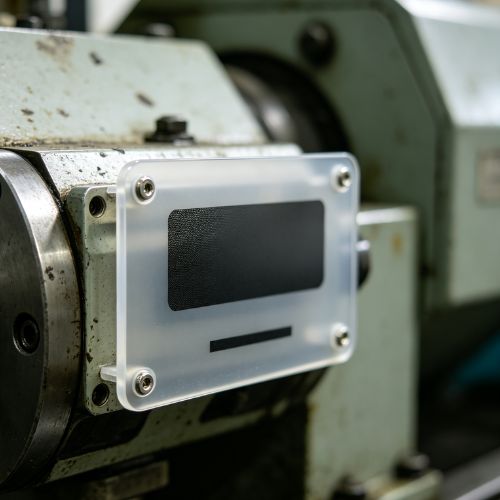
For industrial plastic housings and parts, we screen-print logos, model numbers, and specs directly onto the surface. This eliminates label peeling, adhesive residue, and long-term wear issues common with traditional sticker labels.
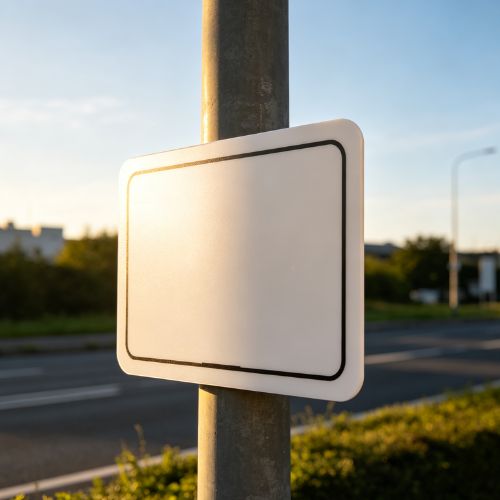
We do plastic wayfinding, information, and display signs. Screen-printed graphics resist UV fading and severe weather erosion, maintaining clear visibility and stable performance in both indoor and long-term outdoor exposure scenarios.
Drawing on extensive industrial plastic printing experience, for large-volume control panels and equipment labels, screen printing is usually the better fit. A standard ink deposition of 15–60 microns delivers superior wear resistance, and the unit price drops at higher quantities. Digital printing doesn’t need separate screens. If your artwork features complex full-color photographs or smooth color gradients, or you only need a small batch of samples, it gets delivered faster. Most buyers decide on the printing method based on order volume, budget, lead time, plastic material, graphic details, and color needs.
No mandatory minimum orders for all custom screen printing jobs. We can handle your sample testing and small- to medium-batch custom orders. Submit your project specs for an accurate customized quotation.
To ensure precise print edges and consistent color registration, please provide vector artwork files such as AI, PDF, or high-resolution layered PSD. JPG and TIF images don’t have enough resolution, so they’re not recommended for precision printing. Files under 10MB can be sent directly via email. For larger files, please share via a cloud storage link (e.g., Dropbox, WeTransfer).
What really affects the final quality is whether the ink matches your plastic, how the color is managed, the surface preparation before printing, and the curing temperature and time. If any of these parameters are improperly controlled, you’ll get registration shifts, pinholes, color differences, peeling, or flaking. When the substrate hasn’t been corona treated or the curing parameters are off, ink adhesion weakens. Over time, you’ll see ink peeling, color migration, or warping of the plastic part. These defects are hard to catch early on.
The UV-curable and solvent-based inks we use have passed RoHS and REACH testing. They don’t contain excessive hazardous substances like lead or mercury. They meet environmental compliance requirements for exporting to Europe and the US. You can use them with confidence.
Prototypes take 3–5 business days. Mass production orders are fulfilled within 10–15 days, depending on volume and finishing complexity. Submit your specs for an exact lead time quote.
Additional Plastic Processes to Support Your Project
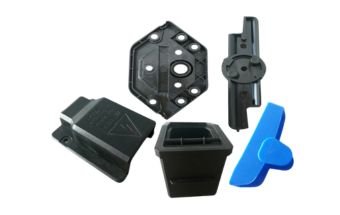 Plastic injection molding
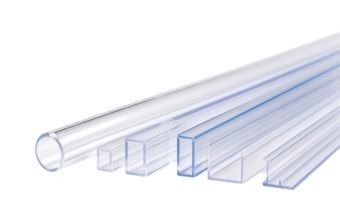 Plastic extrusion
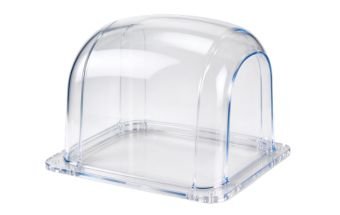 Pressure forming
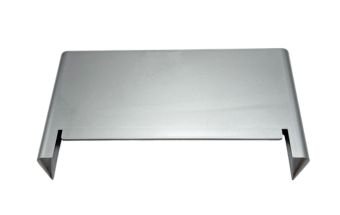 Plastic thermoforming
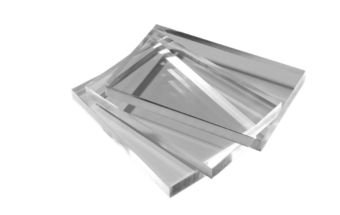 Plastic laser cutting
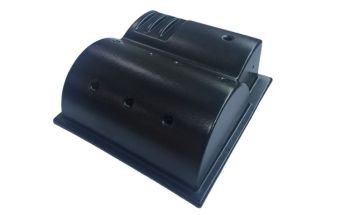 Vacuum forming
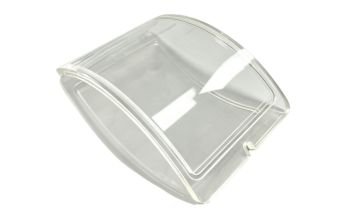 Plastic bending
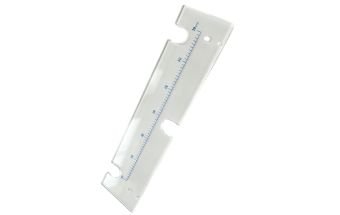 Plastic engraving
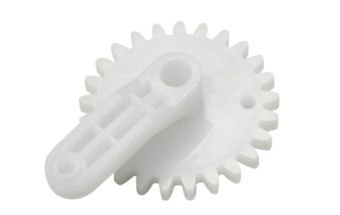 Plastic machining
Key Process Strengths of Plastic Screen Printing
Plastic screen printing has been used in industrial plastic parts manufacturing for many years. The process is mature and reliable. If you need custom equipment panels, industrial labels, or outdoor plastic parts and care about durability plus stable long-term costs, this printing method outperforms other plastic printing options.
Cost Efficiency
When you order more, the unit price comes down. The print quality stays uniform and stable across the entire batch. If you only need a small quantity, we can run manual samples. Larger orders move to our automated lines. Screen frame production is straightforward, consumables cost less, and you don’t need to invest in expensive equipment. Compared to other plastic printing methods, it simplifies your process and cuts your overall custom costs.
Durability and Adhesion
Screen printing ink is thick and opaque, with strong coverage. It bonds tightly to the plastic surface. Your printed graphics come out bright and crisp, and they won’t peel, flake, or fall off from daily friction or long-term use. We formulate dedicated inks and coatings based on the plastic material you choose and the environment your product will be used in.
Unlike standard printing, we don’t get held back by pigment particle size limits. The finished goods are wear-resistant and weather-resistant. These prints stay intact even under long-term outdoor or industrial conditions, reducing appearance problems later on.
Design and Material Flexibility
Screen printing handles a wide range of designs. You can easily print complex artwork and multi-color graphics, all while keeping the finished quality consistent.
High-Volume Production
Once the screens are made and the machine parameters are dialed in, the printing process runs smoothly. We have a full set of automated printing equipment, so we can handle your large orders quickly and make sure they get delivered on time.
Textured Print Finish
A standard screen print lays down about 60 microns of ink. Offset only gives you 1.6 microns, letterpress around 5, and gravure about 12.8. You can also go with a thick-film option that builds up to 1 millimeter. That heavy ink deposit creates a raised, dimensional look with richer color, which really makes your product stand out.
How We Verify Plastic Print Durability: Adhesion, Rub, and Environmental Testing
Adhesion Verification
We apply a special test tape to the printed area, pull it off fast, and check if any ink peels, edges lift, or partial delamination shows up. We adjust the acceptance criteria based on how your product is actually used:
- For standard decorative parts, we follow basic adhesion testing rules.
- For products that face frequent rubbing or long-term use, we apply stricter checks to prevent ink from peeling or flaking later on.
Abrasion & Chemical Resistance
Based on your product’s actual usage environment, we run targeted abrasion and chemical resistance tests.
- Dry/Wet Rub Resistance (AATCC 8 / ISO 105-X12 compliant): Rub the printed surface repeatedly with a lint-free cloth or finger, checking if the color rubs off or the pattern smears. Wipe with clean water or a mild detergent, simulating everyday washing and stain contact.
- Alcohol Solvent Test: For skincare products, facial sprays, and medical items, rub repeatedly with an alcohol-dipped cotton swab, checking if the print bleeds, fades, or comes off.
Environmental Resistance Assessment
We run a full set of environmental simulation tests. These help catch hidden quality risks early, such as temperature swings, high humidity, and the stress of long-haul cross-border shipping. This way, we can prevent issues like aging, color shift, ink peeling, or print failure later on.
- Temperature cycling test
- Constant heat and humidity aging test
- Damp heat steam exposure test
Defect Grading & Visual Inspection Standard
Every part gets a graded visual inspection. The main things we look for are pinholes, broken lines, registration offsets, color variations, dust specks, and fiber contamination.