
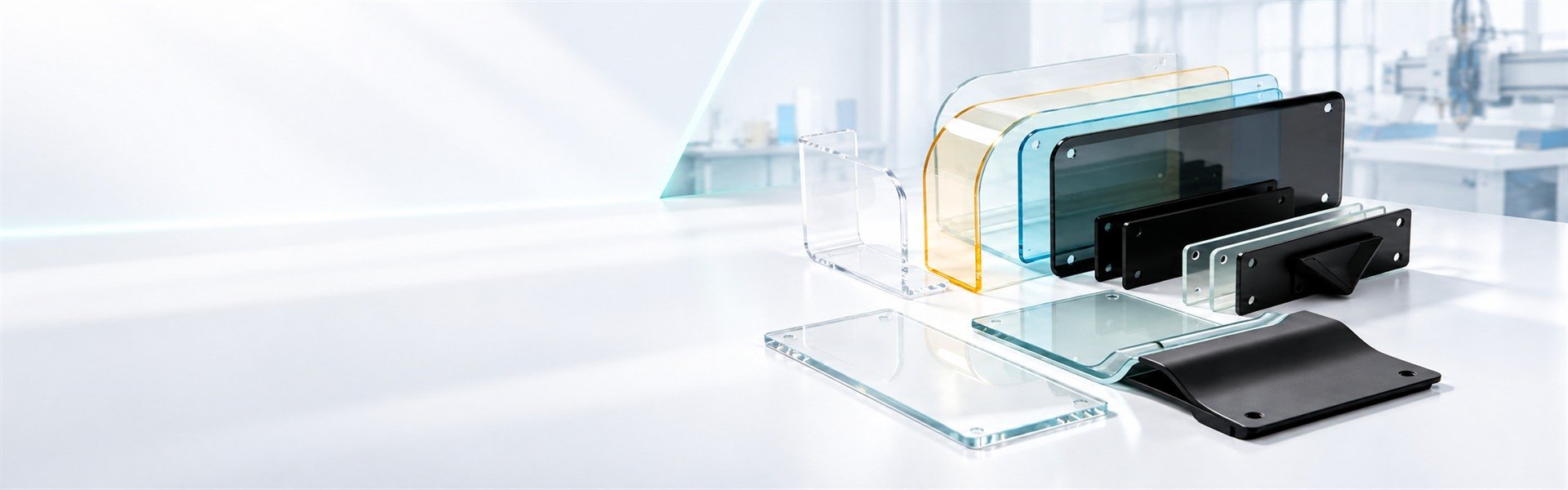
Custom Plastic Bending Services
Zoycen offers custom plastic sheet bending services. Our team has 15 years of hands-on processing experience. We keep plenty of polycarbonate, acrylic, and ABS sheets on hand. This lets us start production fast and shorten your overall lead time. Every finished part complies with ISO9001 quality standards. International clients use our bent plastic components to make machine spares, retail display racks, medical fittings, and automotive interior parts.
At Zoycen, we process PC, PMMA acrylic plate, and ABS sheets into complete structural parts, and all molding processes are completed within the company. Our team will review the CAD drawings first and then customize special bending molds for each batch of orders. Most standard products will go through the process of thermal bending. For flat plate products, we will also adopt the cold pressing molding process. If you need complex-shaped parts with high precision, we can use multi-angle CNC bending technology to meet your needs.
Work straight with our factory to skip all markup charged by middlemen. We pre-dry every PC sheet before processing to get rid of trapped internal moisture. This step stops bubbles, white haze and micro cracks, keeping parts clear with reliable impact resistance. We set separate heating periods for acrylic, PC, and ABS to deliver consistent structural strength and smooth, defect-free surfaces. Our internal design team undertakes all kinds of OEM and ODM customized development.
Zoycen Bent Plastic Products
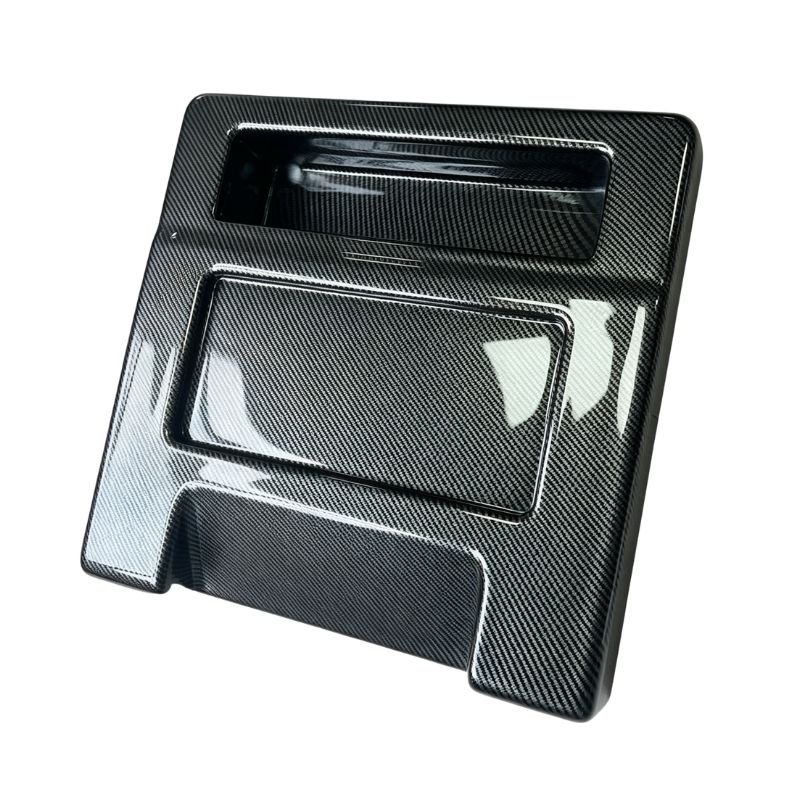
Our CNC multi-angle bending creates one-piece PC safety panels. No glue joints are needed, and the material maintains strong impact resistance over a long service life.
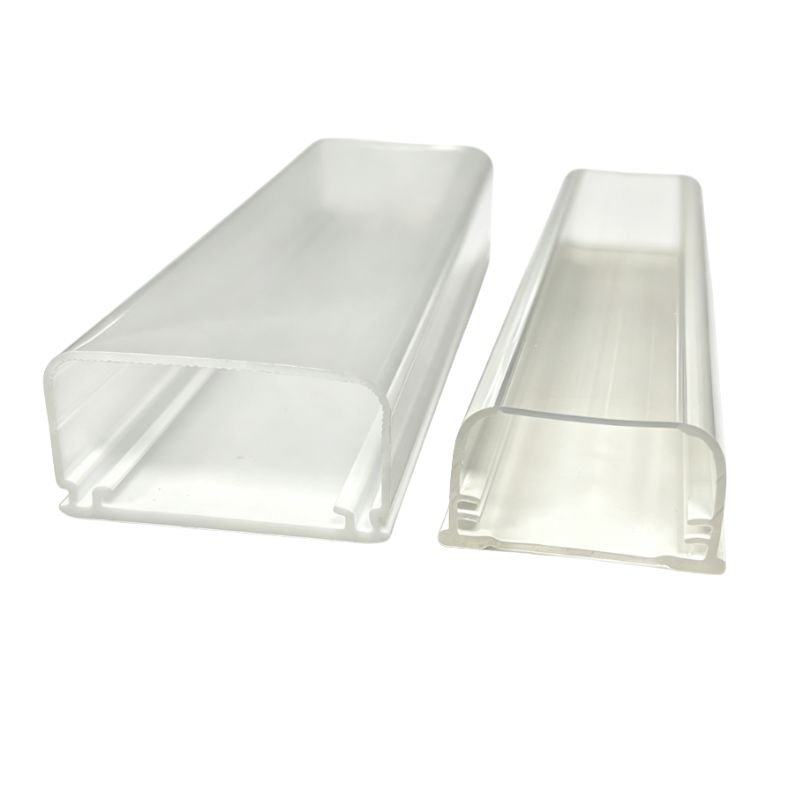
Narrow strip heating shapes these LED accessory blanks. Light spreads evenly across surfaces, resisting yellowing and shape deformation under continuous heat and UV exposure.
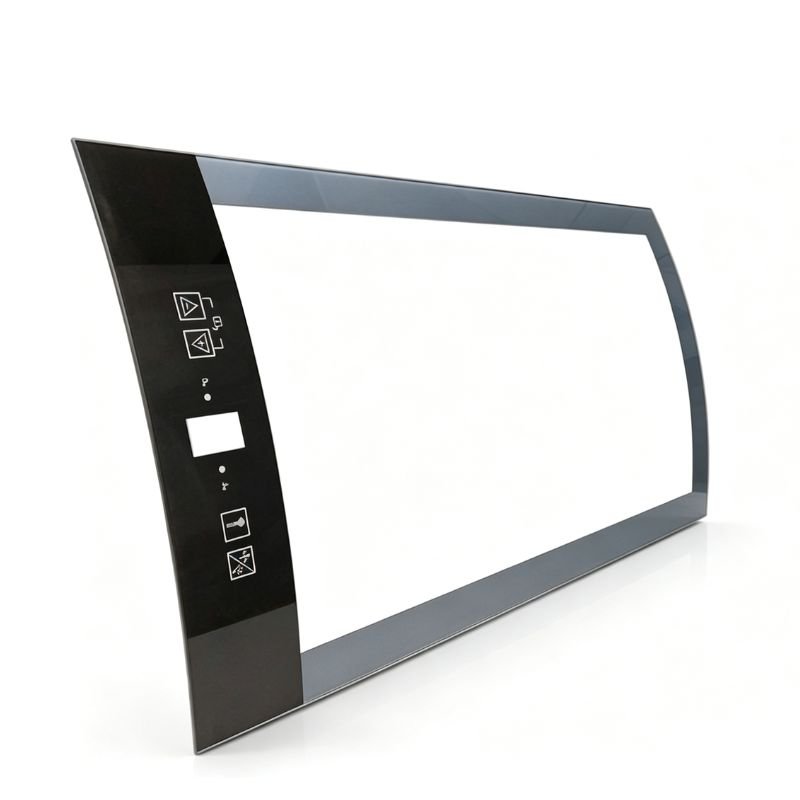
Oven-formed to match custom equipment contours, these panels have no internal stress cracks and support clear visual inspection of internal operations.
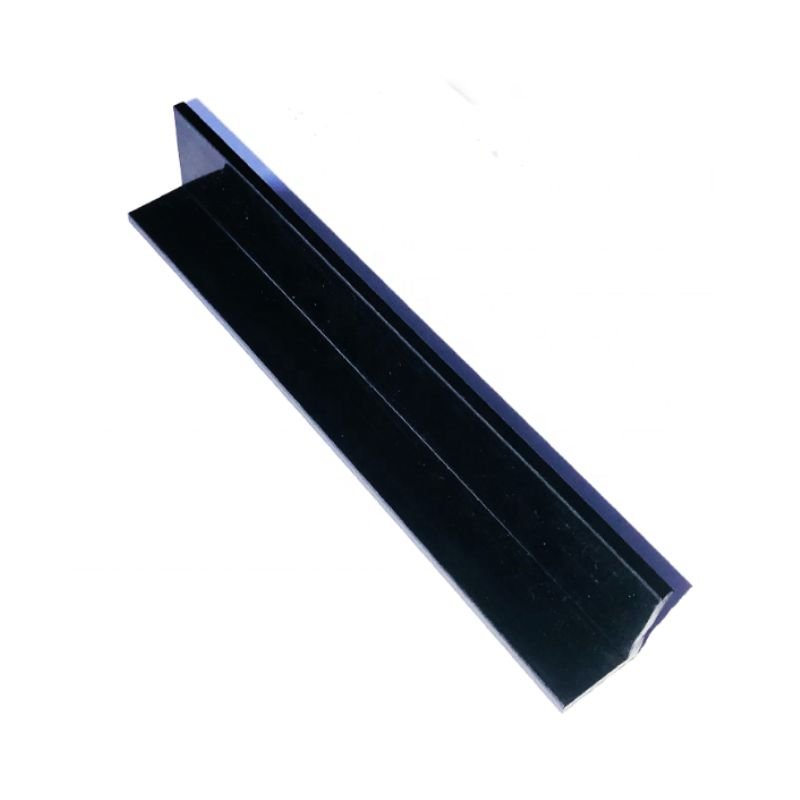
Sharp 90-degree line bending makes these edge guards for equipment frames. They absorb impact and maintain uniform wall thickness on all bent zones.
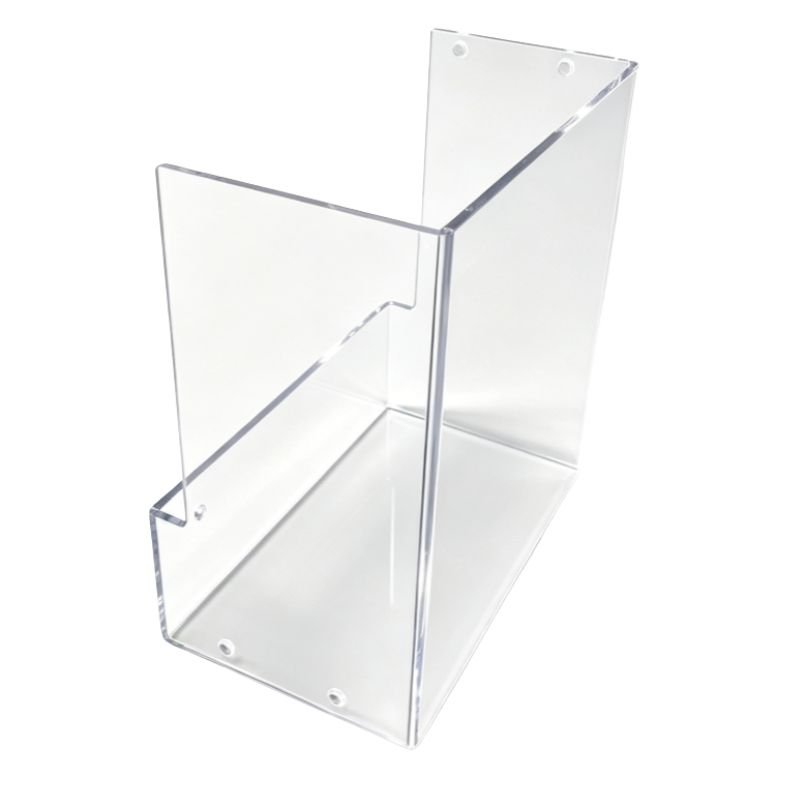
Heat-formed with smooth curved edges for retail applications, these blanks offer high clarity to enhance product visibility at point-of-sale locations.
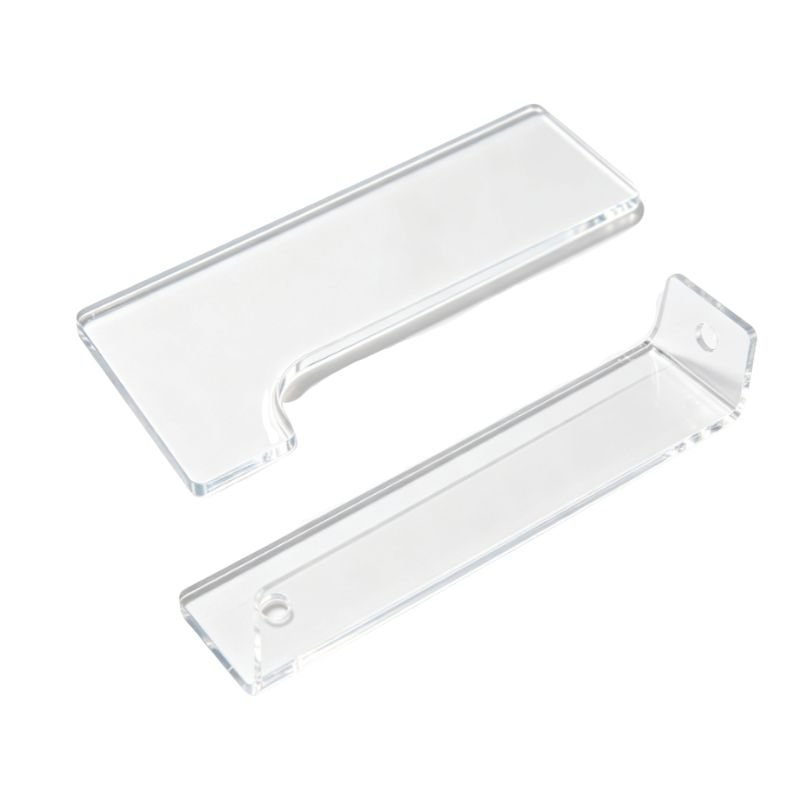
Precision line-bent for brand signage use, these panels have clean bend lines with no stress whitening to preserve sharp, professional brand visuals.
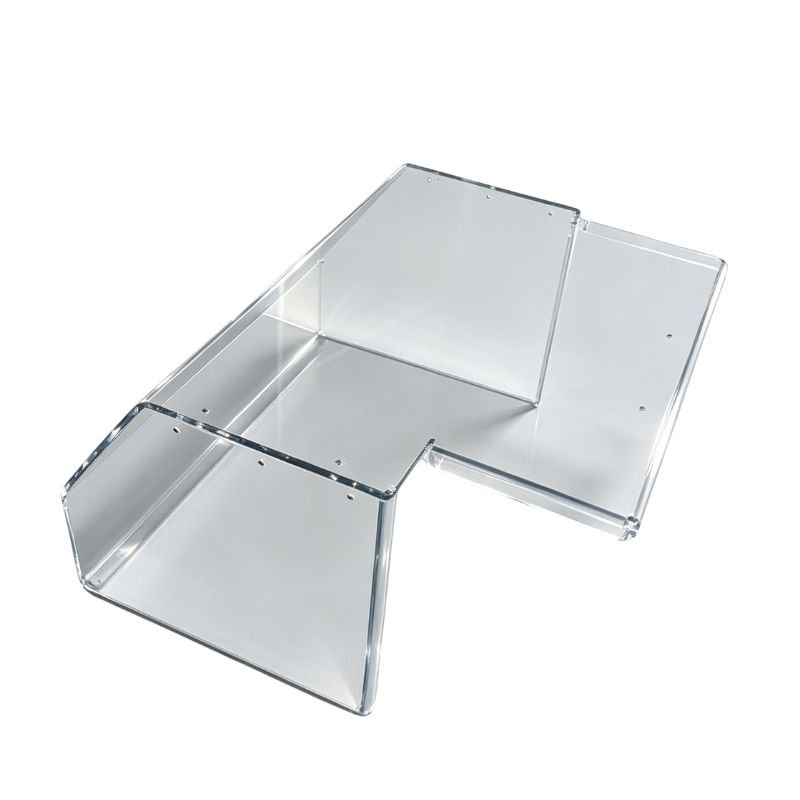
Bent with a bottom return flange for counter applications, these panels stand stably without extra frames and block splashes while maintaining clear visibility.
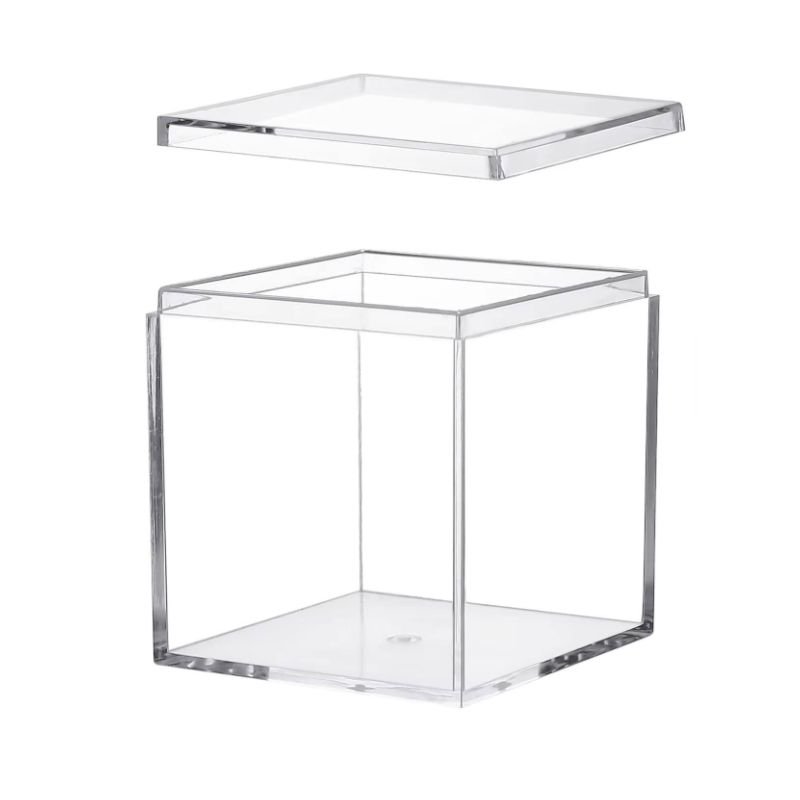
Multiple continuous bends replace glued corners for a seamless surface, perfect for jewelry, cosmetics, and small goods displays.
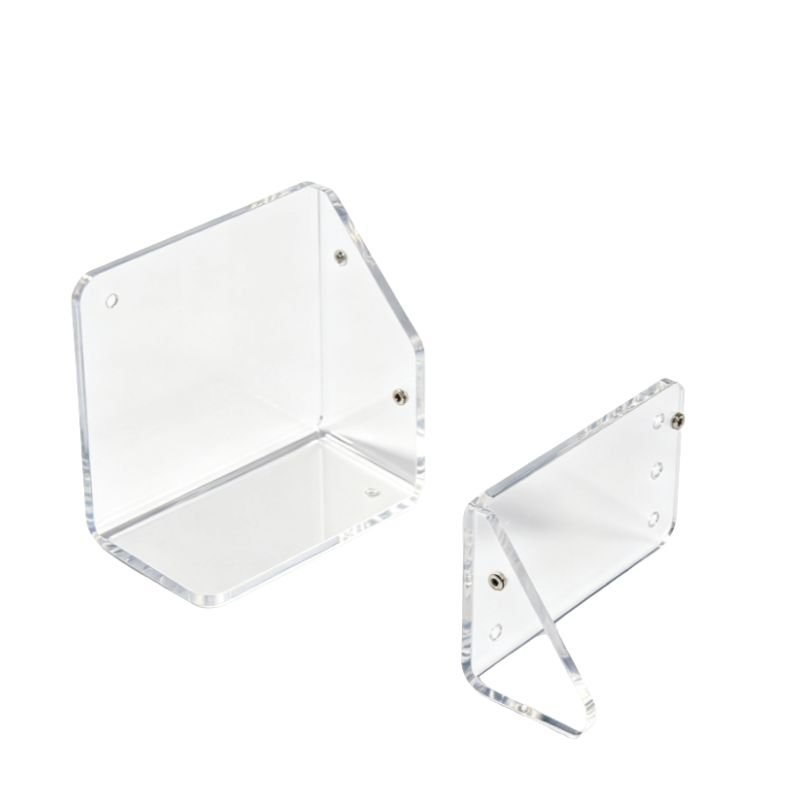
Single-fold processing follows exact angles from your CAD drawings. Brackets lock signs and display parts firmly and retain fixed geometry over years of use.
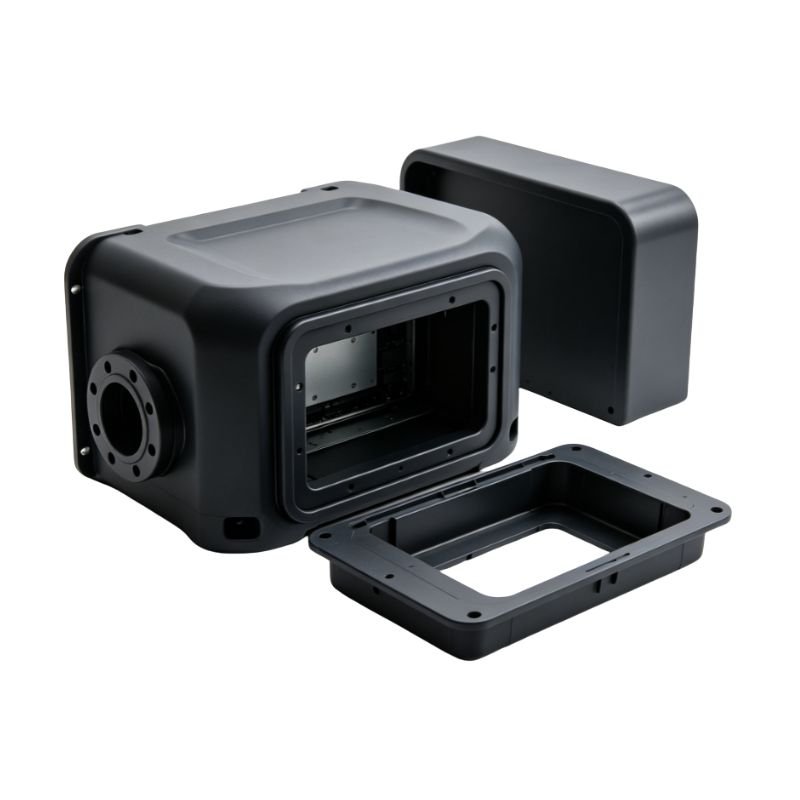
Uniform oven heating forms protective shells for electronic hardware. The ABS material keeps stable shapes and protects internal hardware from dust and harsh workshop environments.
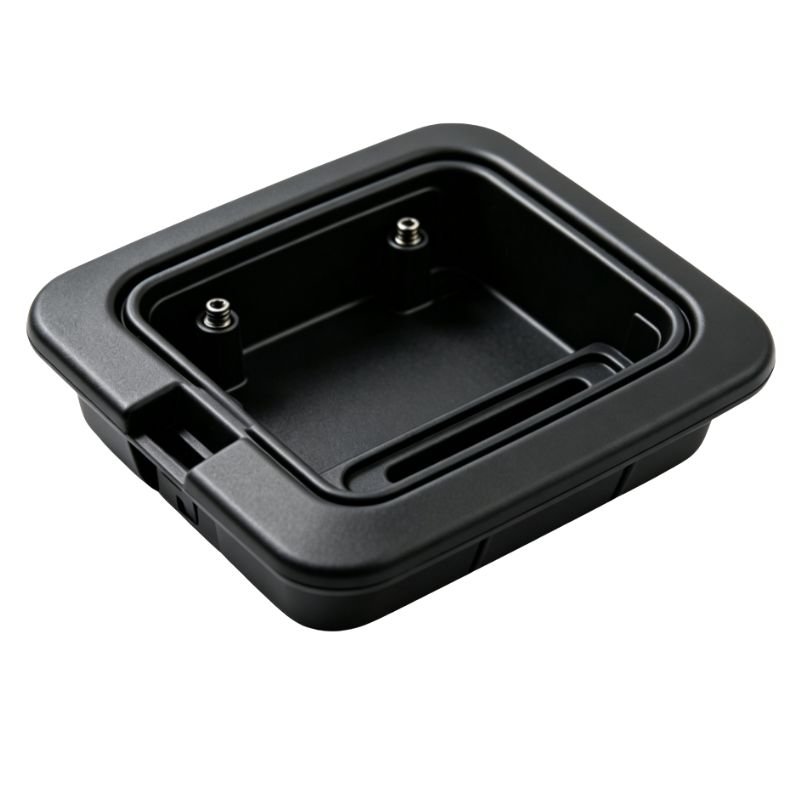
Programmable CNC bending manufactures blanks for car interior assembly. Each piece fits mounting positions precisely and maintains consistent sizing amid temperature shifts.
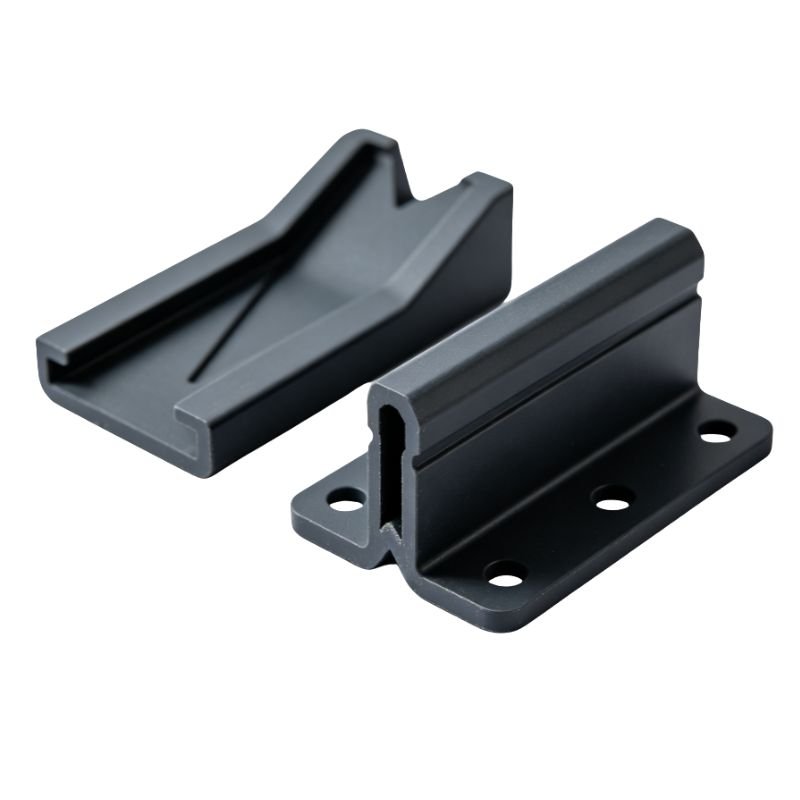
Pre-cut with V-grooves before bending for higher load capacity. They fit equipment installation in humid or chemically corrosive work spaces.
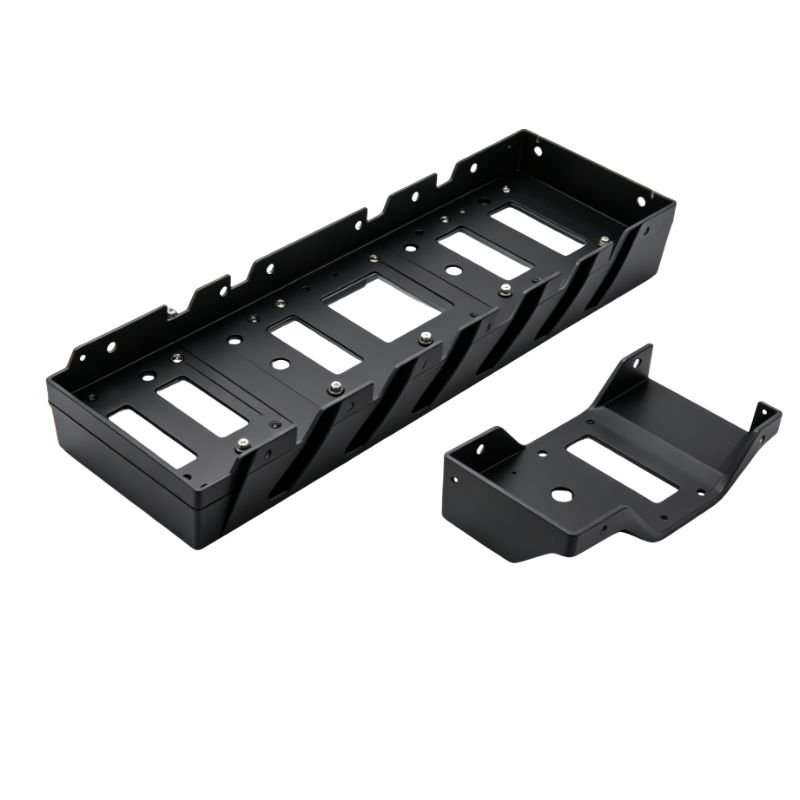
Multiple bends align pre-opened mounting holes, so panels install on machinery with no secondary trimming.
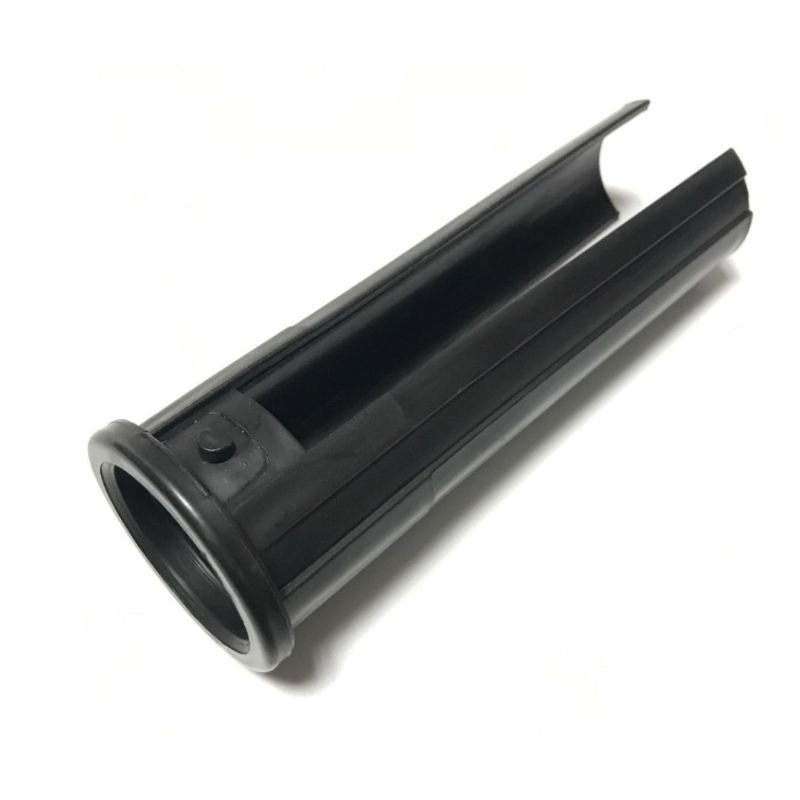
Formed via localized hot-air softening, these sleeves deliver consistent inner diameter and wall thickness for wire and pipeline protection.
Why Choose Zoycen Plastic Bending?

Our engineers adjust machine compensation to offset plastic rebound, matching finished parts to your 3D drawing dimensions.

We bend separate small components into one integrated blank to cut the assembly workload for factory buyers.

Gradual temperature drop releases inner residual stress and stops permanent shape distortion after long-term field use.

Signed legal confidentiality contracts offer full coverage for clients’ exclusive CAD drawing assets.
Why You Can Trust Zoycen Plastic Bending Service?
Independent pre-drying stations remove moisture from raw PC sheets before thermal bending, preventing bubbles during heating and preserving PC’s transparency and impact resistance.
For panels thicker than 4.5mm, pre-routed V-channels on bending paths avoid surface cracks and over-rounded edges. Subsequent thermal forming delivers crisp 90° shapes, fewer defects and stable dimensions.
Adjustable-speed conveyors on all main bending lines standardize heating for sheets up to 3000mm long, reducing material warpage and ensuring consistent quality in mass production.
Spherical & multi-radius curved profiles require whole-sheet heating in convection ovens with custom molds, instead of partial strip heating, to get smooth arcs without visual distortion.
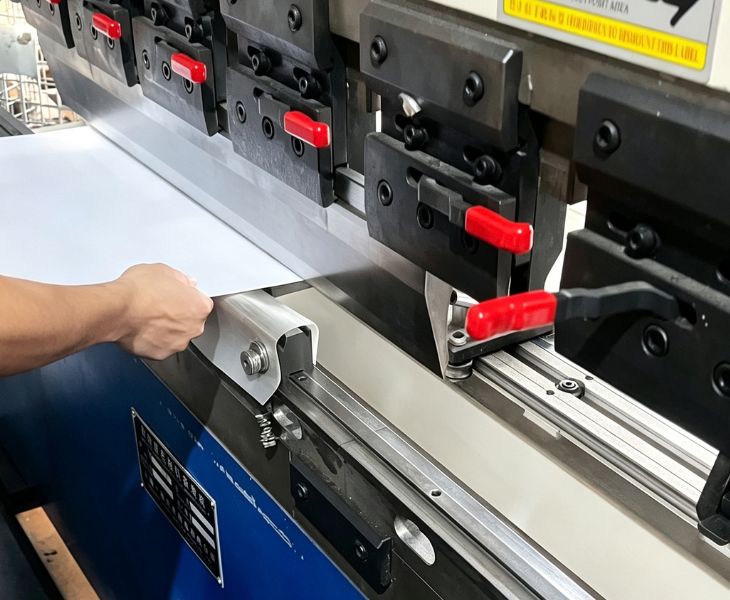
Thin flexible plastics under 4mm use press brake mechanical forming (no heat input) to avoid residual stress, retaining original surface gloss and material properties.
The entire bending process uses no lubricating oil and releases no toxic fumes. Transparent parts stay free of oil stains or chemical marks; only simple dust cleaning is needed before delivery and assembly.
Technical Specifications
Design and purchasing teams from manufacturing plants may reference dimensional tolerance and thermal bending specs for custom plastic bending projects. All figures follow mature mass production standards for industrial orders.
- Core Fabrication Capabilities
- Material-Specific Thermal Bending Specs
| Parameter Item | Technical Specification |
| Max Continuous Bending Length | Up to 3000 mm (118 in) |
| Processable Sheet Thickness | 1.5 mm – 25 mm (0.06 in – 1.0 in) |
| Linear Thermal Bend Angle Tolerance | ±1° to ±2°, depending on part length |
| Repeatable CNC Dimensional Tolerance | ±0.1–0.3 mm, results differ with each part design |
| Max Simultaneous CNC Bend Operations | Up to 6 operations per forming cycle |
| Max Oven Working Area | 2400 mm × 1200 mm (96 in × 48 in) |
| Supported Drawing Formats | STEP, IGES, DXF, DWG, STL, technical PDF |
| Minimum Inner Bend Radius | Min. 2 mm (depending on material thickness) |
| Production Lead Time | 3–7 working days for prototypes; 7–15 working days for bulk orders |
| Quality Assurance Standard | 100% full dimensional inspection + comprehensive surface visual audit |
| Raw Material | Thermal Forming Range (°C) | Fabrication Advantages | Industrial Applications |
| Polycarbonate (PC) | 155–170 | High impact strength, UV resistance, and maintains clarity after pre-drying | Industrial safety shields, transparent viewing panels, LED diffuser housings |
| Acrylic (PMMA) | 150–165 | Excellent light transmission, no stress whitening at bend zones, smooth, uniform finish | Retail display frames, signage panels, transparent protective barriers |
| ABS | 105–125 | Stable post-cooling dimensions, consistent surface texture, and easy custom forming | Electronic housings, automotive interior trims, industrial mounting brackets |
Acrylic can undergo hot bending up to 6mm. Polycarbonate and ABS have a 10mm processing limit. We pre-cut V-grooves on thick panels to create clean, crack-free right angles.
Most factory drawing standards set the inner bend radius at 1.5 to 2 times the sheet thickness to prevent surface cracking. Custom heating strips and bending jigs let us form tighter curves on acrylic and polycarbonate without surface damage.
Our factory accepts mainstream manufacturing files such as STEP, IGES, DXF, DWG, STL, and technical PDF drawings. Rough hand sketches with clear dimension labels are also acceptable. Our engineering team rebuilds these sketches into usable production CAD drafts.
We control heating and cooling speed to protect transparency. All PC sheets go through pre-drying to eliminate bubbles and whitening, delivering 90–95% light transmittance.
Balanced heating matched with post-forming temperature adjustment keeps raw material toughness intact. Gradual cooling eliminates internal residual stress, so impact resistance and surface appearance stay consistent with unprocessed plastic sheets.
No rigid quantity rules apply to all bending projects. Single prototype samples and large bulk orders get identical factory pricing.
Samples are produced and shipped within 3–7 working days after design confirmation. Standard medium batch orders take 7–15 working days. Accelerated production supports clients with tight project schedules.
We bend colored and textured plastic sheets regularly. Surface texture remains even across all bent areas. Heated zones never develop chalking, peeling, or faded color after forming.
Key Factors Affecting Thermoplastic Hot Bending Quality
Most bent part rejects come from unaddressed CAD forming limits in early design stages. We process acrylic, polycarbonate, and ABS on our workshop floor daily. Small on-site adjustments can greatly change the overall performance of finished bends.
Material Thickness
Thick sheet materials are prone to cracking when the heating duration is insufficient. It is impossible to fully soften 10mm+ polycarbonate using only one heating cycle. Segmented heating is our primary method to reduce corner fractures during production.
The dimensional accuracy of finished parts is easily affected by the heated zone width. Narrow heating areas concentrate stress right on bend lines. Too wide a heating coverage will stretch material unevenly. Many inconsistent radius issues found in batches stem from this problem. Always verify actual sheet thickness before confirming CAD bend parameters.
Bend Radius & K Factor
There is a unique safe bending limit for every thermoplastic type. Going beyond this limit will leave invisible internal damage inside components.
We avoid tight bends for acrylic. This material develops microcracks easily on outer surfaces, which makes larger radii a must in production. Our workshop often uses polycarbonate for industrial enclosure fabrication. Its excellent toughness allows it to handle sharp-angle bending with zero failure. ABS is widely adopted for lightweight interior trim. Compact curve design requirements fit this material’s physical properties perfectly.
Workshop operators locate the neutral axis via K factor data during bending operations. Manufacturers rely on this data to calculate stretch compensation for engineering drawings. K factor readings of acrylic and polycarbonate are relatively close. ABS delivers lower values because of its flexible internal molecular structure. Parts will have serious dimensional errors after cooling if K factor calibration is omitted.
Temperature Control
Improper thermal handling causes surface scorching, permanent warpage, and encapsulated air bubbles. These defects are extremely noticeable on transparent plastic panels made of acrylic or PC.
Direct high-intensity heat damages the outer skin of plastic and locks residual stress within substrate layers. After cooling, the released stress will form irreversible flaws that cannot be repaired.
A simple spacing gap between sheets and heating devices is used in our production line. This shop practice evens out material softening and protects surface gloss for signage and equipment housing products.
Moisture Content
Ambient humidity will gradually penetrate thermoplastic sheets during long-term warehouse storage.
Moisture trapped inside clear acrylic and PC vaporizes under bending heat. The outcome is permanent bubble marks that ruin the transparency of finished panels.
Pre-drying processing is mandatory for all transparent acrylic and PC stock before hot bending. Humidity accumulation still happens slowly even inside climate-controlled storage rooms. ABS does not absorb airborne moisture easily, so standard production runs do not require lengthy drying procedures.
Industrial Applications of Custom Plastic Bending
Architecture
Builders often order curved plastic pieces to finish commercial indoor spaces and rooftop skylight frames. We run acrylic and polycarbonate sheets through tailor-made heating gear to form curves. Every single finished part matches the special curve measurements each construction team sends over.
Glass still takes up most of the glazing work across building sites. Sunlight will not fade these plastic panels even after years of outdoor exposure. Property staff spend far less time on regular upkeep because of this material trait. Many office ceiling projects add thin PC light diffusers. The soft, even light these sheets create cannot be achieved with flat, rigid plastic panels.
Retail & Display
Shoppers touch retail display racks every day, so metal frames get scratched and worn out quickly in busy shops. Retail purchasing staff look to bend ABS plastic to cut frequent part replacement spending.
We craft uneven curved trim for brand signs and display racks using layout drawings handed in by our clients. Each bent piece fits one-of-a-kind shop layouts perfectly. Passersby spot store signage more easily with these custom plastic parts, and brands skip costly full shop remodels.
Automotive Interiors
Auto component factories work to cut the total weight of finished vehicles. Our local workshop sends large volumes of bent ABS and PC interior trim to nearby car factories each month.
Every curved plastic component lines up exactly with built-in mounting spots inside car cabins. Line workers do not cut or adjust parts during assembly work. Lighter plastic brings down overall vehicle weight, and car manufacturers pay no extra fees when producing vehicles in large quantities.
Medical Equipment
Polycarbonate resists repeated alcohol sanitizing, making it usable inside clinics and hospital public zones. We heat clear PC sheets to make curved guard screens for front service counters.
Wiping surfaces with sanitizer each day will not turn the plastic yellow or leave tiny cracks across its surface. Every curved PC barrier we make follows standard hygiene rules meant for medical area separation panels.
Prototyping & Small Batch Industrial Manufacturing
Teams developing new electronic products rarely place large orders for molded plastic outer shells while testing prototypes.
Small production suits hot-line bending. We resize acrylic and ABS sheets using prototype dimension files to aid assembly and testing during early product development.