
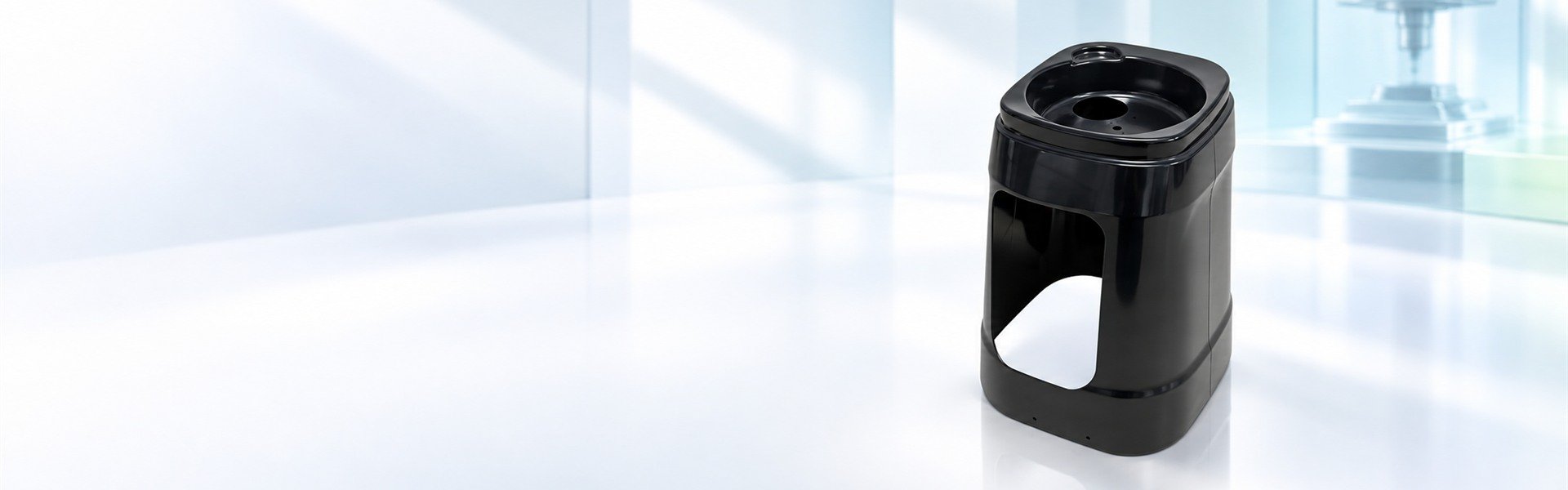
How Our Pressure Forming Process Works
Pressure-formed parts come out with sharper edges and finer details than you’d see from standard vacuum thermoforming. We start by pulling the heated sheet onto the mold with vacuum. We push compressed air down onto the sheet. That gives us three to four times the forming pressure of vacuum alone. We monitor sheet temperature all through the cycle. That keeps the material flexible, and every groove and fine grain on the mold comes through sharp.
Zoycen follows ISO9001:2015 standards. We pressure form single-layer and double-layer sheets, and we’ve been supplying custom plastic parts for aerospace, automotive, medical, electronics, construction, and agriculture for years. Before production starts, we help refine the part design so potential manufacturing issues get caught early. That saves you the extra cost of mold changes and rework down the line.
Zoycen Pressure Forming Tailored to Your Project

Standard thermoforming can’t capture fine logos or embossed details. High-pressure forming uses air pressure from both sides to clamp the sheet. The texture comes through sharp and complete in one shot. Your rejection rate stays low.
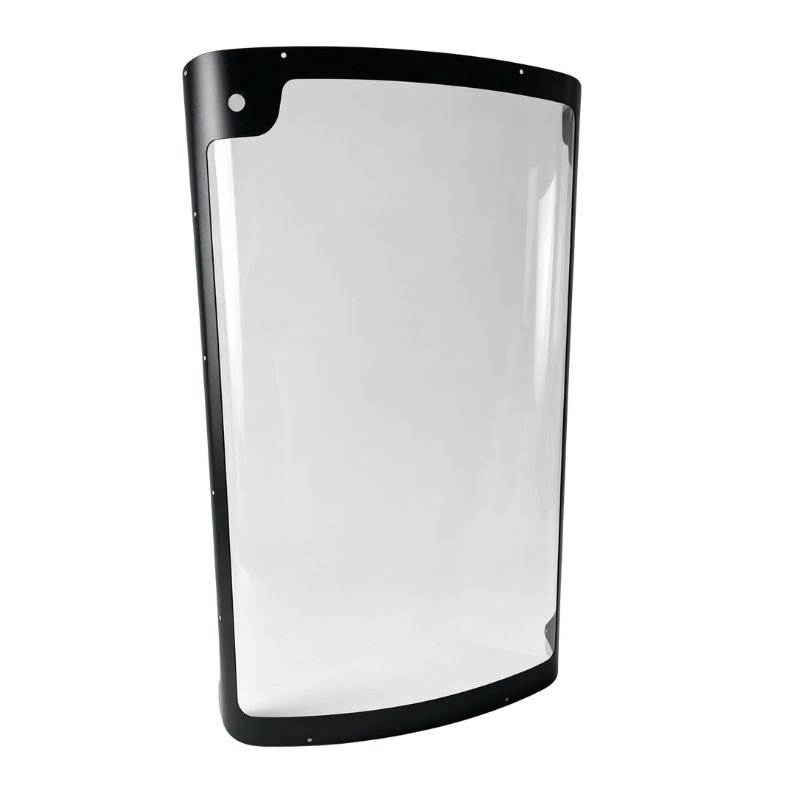
If your product is a large equipment housing, injection mold tooling costs a lot upfront. We use aluminum pressure forming molds instead. Lower initial investment. Works for prototyping and small to medium production runs.
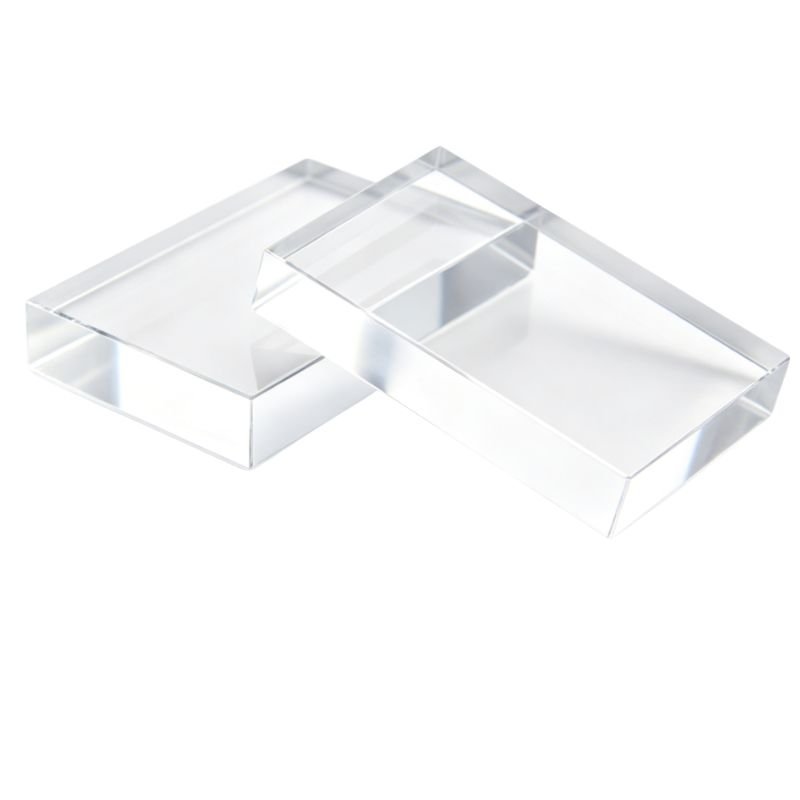
Acrylic can easily haze up or streak when stretched too fast at high heat. Clarity drops. We’ve been forming optical windows for years. Our low-temp process keeps the original light transmission intact, so your parts meet the visual standards for instruments.
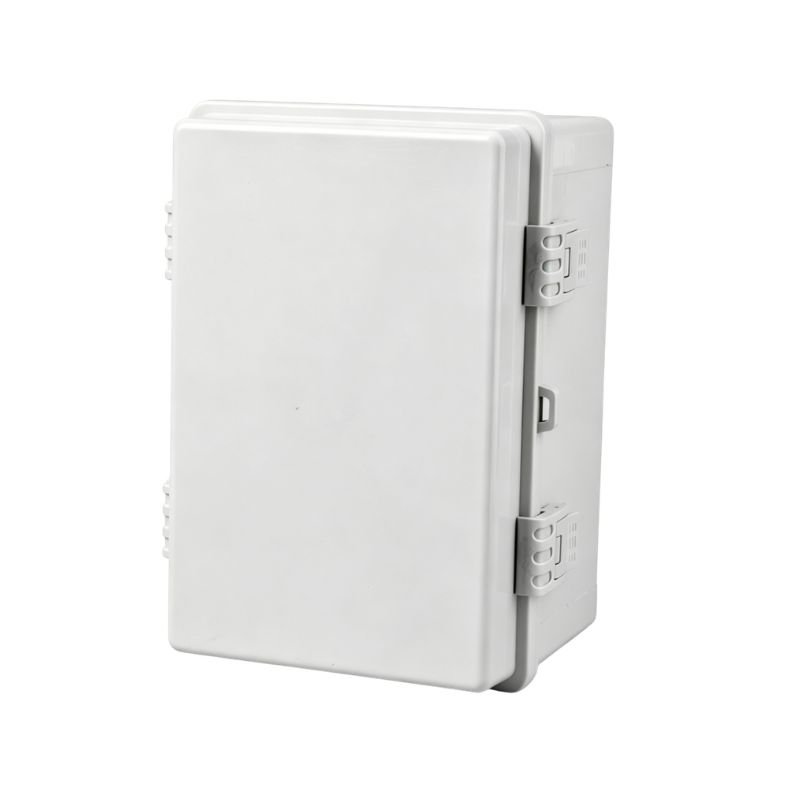
Stretch PC sheet too far during forming, and impact resistance drops hard. We adjust the process based on your housing depth. Outdoor protective shells hold up without cracking.
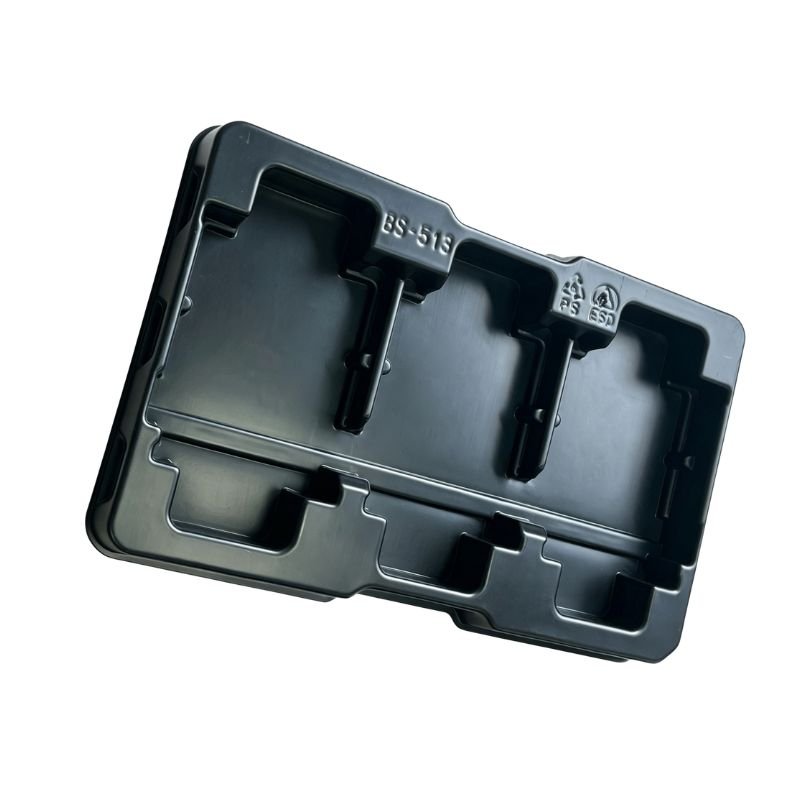
When forming textured ABS sheets, corner grain tends to stretch flat. We adjust heat and pressure settings to avoid this flaw. Finished parts come out with even texture, and that saves you a separate sandblasting step.
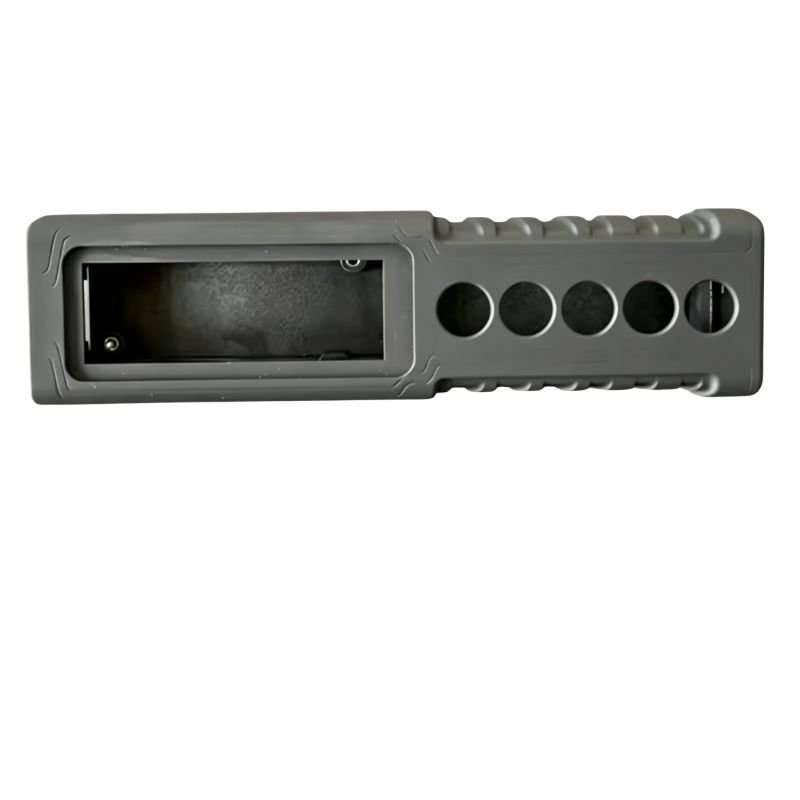
Matte and textured finishes can be done right in the forming step. No need to outsource surface finishing separately. Less back-and-forth. Faster overall delivery.
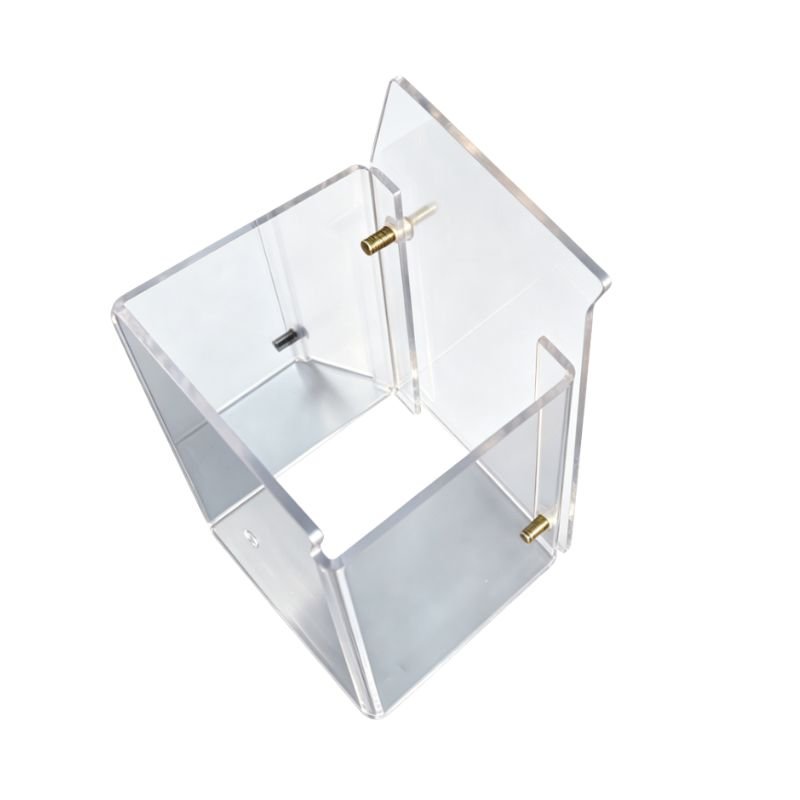
Metal nuts get embedded right during forming. We can set threaded inserts in place for you and help with basic sub-part assembly. You get parts ready to install on your line. No extra labor cost in your shop for secondary work.
In-House Complete Production Equipment
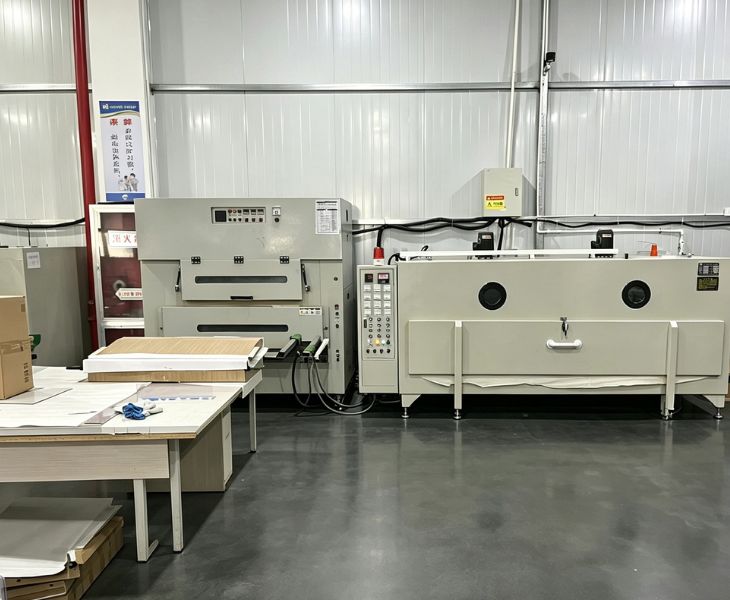
A lot of equipment makers have told us they sent forming and finishing to different shops. The gaps wouldn’t line up at assembly, and wall thickness and surface finish came out different from batch to batch. They ended up reworking parts. Vacuum thermoforming, pressure forming, CNC trimming, bending, stamping. We do all of it in-house. Single sheets, double-layer composites, complex one-piece parts with tricky geometries. Every batch comes out consistent in dimensions and surface finish.
Early Design Pre-Engineering Support
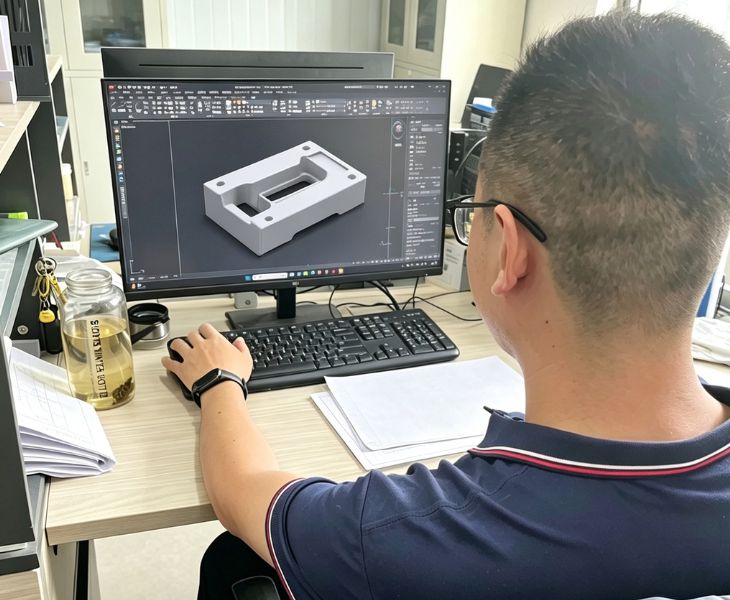
Go over your product design before you start tooling. It avoids a mismatch between the drawings and the thermoforming process. If you wait until the mold is made, changes cost a lot more. Our engineers go through your design carefully. We convert even rough hand sketches into 3D models built for pressure thermoforming. Fewer mold changes, less extra spending. Prototyping and mass production move faster.
Pressure Forming Specifications
| Specifications | Details |
| Materials | ABS, PC, acrylic; PETG, PVC available on demand |
| Max Part Size | Up to 96” × 48”, with a maximum forming depth of 24” |
| Material Thickness | 0.060–0.500 in (1.5–12.7 mm) |
| Critical Feature Tolerance | ±0.010 inches (±0.25 mm) |
| Overall Tolerance | ±0.030 inches (±0.76 mm) |
| Surface Finishes | Smooth, matte, textured, custom color finishes |
| Mold Material | Cast and CNC machined aluminum molds |
| Mold Lead Time | 6–10 weeks; simple molds ready in 5 weeks |
| Sample Lead Time | 1–2 weeks sample production after mold completion |
| Forming Pressure | 3–4 times higher than standard vacuum thermoforming |
| Sheet Configurations | Single sheets, double-layer composite materials |
| Integrated Finishing | In-house CNC trimming, bending, stamping, insert assembly |
| Certifications | ISO 9001:2015 certified production |
| Production Modes | Prototypes, small batches, medium volume runs |
Zoycen Pressure Formed Parts Across Industries
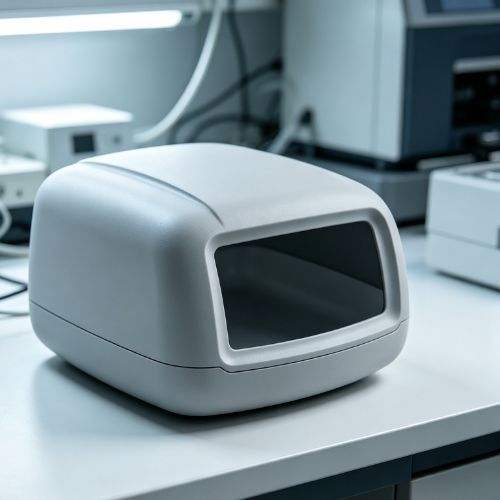
Medical device housings come with strict cosmetic standards. Parts made with our pressure forming cut out this extra finishing step. The surface comes out smooth right from the mold, so your small batch samples pass cosmetic inspection without hassle.

Some of our customers used to use sheet metal for large equipment and vehicle interiors. The seams were hard to line up right. Our process yields full single-piece panels through pressure forming. Changes are easy, and you skip all the tolerance chasing during testing.

ATMs, self-service terminals, and electronics enclosures often get a new look to match your brand update. We also pressure form housings for control panels, testing instruments, and laboratory equipment. Aluminum pressure forming molds won’t cost you much. Small custom batches help you control production costs.

The plastic housings on watercraft and vehicles are exposed long-term outdoors. Uneven wall thickness leads to premature aging and cracking. This molding method maintains even material thickness while capturing sharp surface textures. Outdoor plastic parts last longer and perform steadily.
For a standard housing, pressure forming molds cost $8,000 to $40,000. An injection mold for the same part starts at $40,000. If the part is large, injection mold costs can top $150,000. When your order is under 5,000 units, pressure forming saves you money.
If your product is an equipment housing or control panel, or needs fine textures, sharp edges, and complex shapes, go with pressure forming. The details turn out crisp, and the assembly fit is tighter too. For liner panels or basic display shells that don’t need a high-end finish, vacuum thermoforming is good enough and costs less.
Yes, we use textured aluminum molds for high-pressure forming. Leather grains, geometric patterns, and raised logos all come through sharp. Some thin, flexible materials can lose a bit of texture definition. We’ll let you know during material selection and adjust the process to get the finish you want.
A standard aluminum pressure forming mold takes 6 to 10 weeks. Simple molds can be done in 5 weeks. An injection mold for the same part runs 12 to 20 weeks. After the mold is done, we take 1 to 2 weeks to make samples and ship them over for your approval. Once you confirm everything looks good, we can start production within 3 working days. If your parts need trimming or finishing, that’ll add a few more days.
ABS, PC, PETG, and PVC all work for pressure forming. Some sheets offer impact resistance or come flame-retardant by nature, others suit outdoor environments or meet food-contact standards. ABS is solid all around, so we tend to recommend it first. Based on your needs and budget, I’ll help you pick the right material.
We can pressure form parts up to 96 inches by 48 inches, and up to 24 inches deep. Aerospace panels, large equipment housings, transit interior trim. These big parts cost a fortune to injection mold. Pressure forming cuts your upfront tooling costs way down. It really suits large parts like these.
More Ways We Make Your Parts
 Plastic Extrusion
 Plastic Injection Molding
 Plastic Thermoforming
 Plastic Vacuum Forming
 Plastic Laser Cutting
 Plastic Bending
 Plastic Engraving
 Plastic Screen Printing
 Plastic Machining
How Pressure Thermoforming Cuts Costs For Medium Batch Plastic Parts
From the orders we’ve handled, here’s what we see. If you’re making a few hundred to a few thousand parts a year, injection mold costs push your unit price way up. Pressure thermoforming uses aluminum tooling that costs a lot less upfront. You reuse the same mold for all future orders, so no extra molds.
Your existing drawings only need minor tweaks. No need to redo the design. Textures and logos are pressed right in, so no outsourced engraving. Switch to thick plastic sheets instead of metal or fiberglass, and you save on materials. Complex shapes form with uniform wall thickness, fewer defects, and less waste.
Injection and RIM molds cost a lot upfront. You need tens of thousands of units just to spread out that tooling expense. Doesn’t work for medium batch orders. Both processes also take longer for sampling. That drags out your product launch, which adds extra time costs.