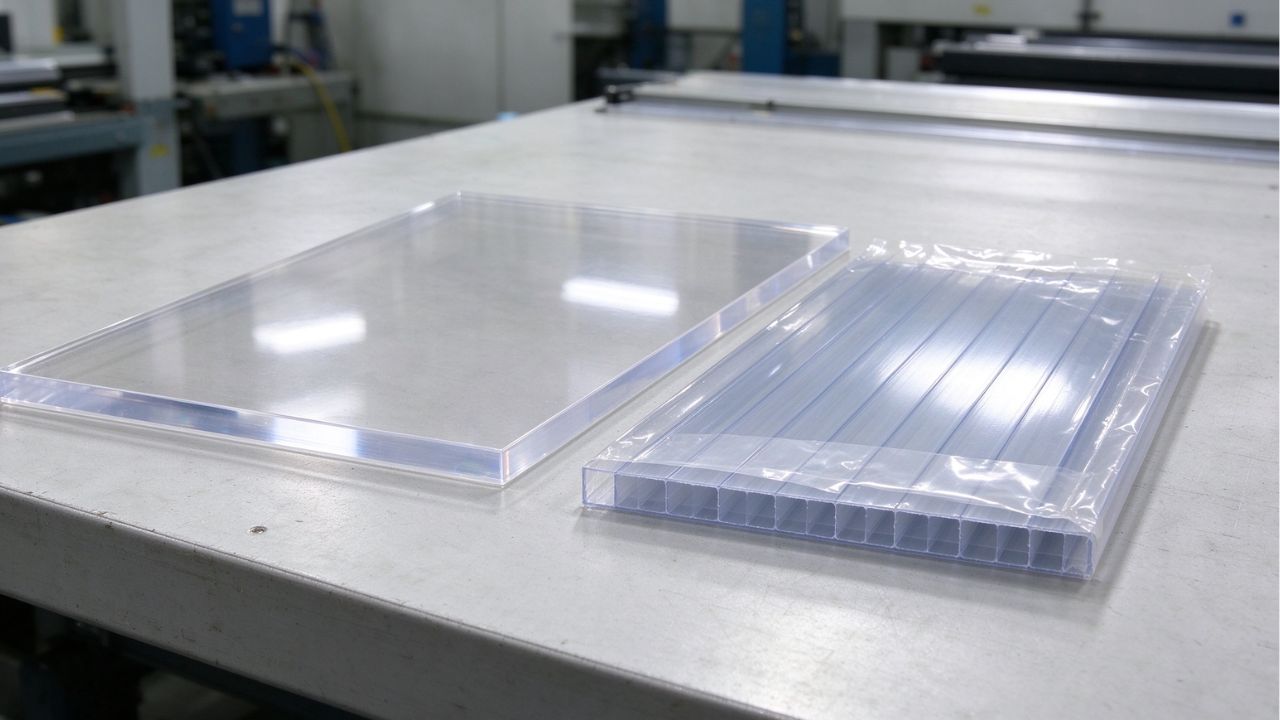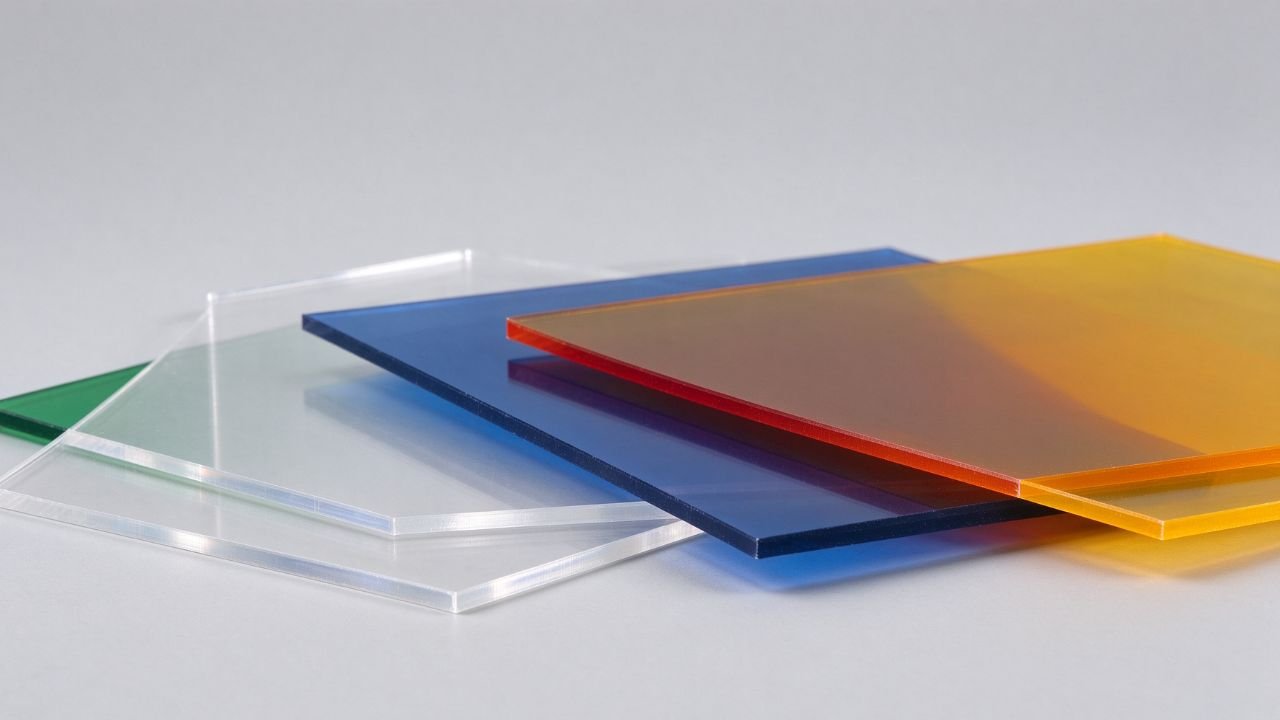
Polycarbonate (PC) vacuum forming is a common plastic thermoforming processing technique. Due to its low cost, high efficiency, and flexible design, PC vacuum forming technology is widely used. This article will explain the process flow and applications of PC vacuum forming to help you better understand and select the processing solution that suits your product requirements.
What is Vacuum Forming?
PC vacuum forming is a core subtype of thermoforming technology. In this process, a flat PC sheet is heated to a softened state, then drawn tightly against a custom mold via vacuum pressure to form a specific 3D shape. The part is then cooled, trimmed, and finished into a usable end product.
The Processes of Polycarbonate Vacuum Forming
Preparation and Clamping
Select the appropriate PC sheet based on your product requirements. Once you have selected the sheet, inspect its surface for scratches, impurities, or uneven thickness.
As PC material is hygroscopic, it must undergo pre-drying. You should maintain a pre-drying temperature of 120–130°C for 3–8 hours, and the sheet can only be used once its moisture content by weight falls below 0.02%. This prevents bubbles and silver streaks from appearing in your finished product. If the sheet thickness exceeds 3 mm, extend the drying time to 6–8 hours. After drying, secure the PC sheet on all four sides using a specialized frame.
Heating
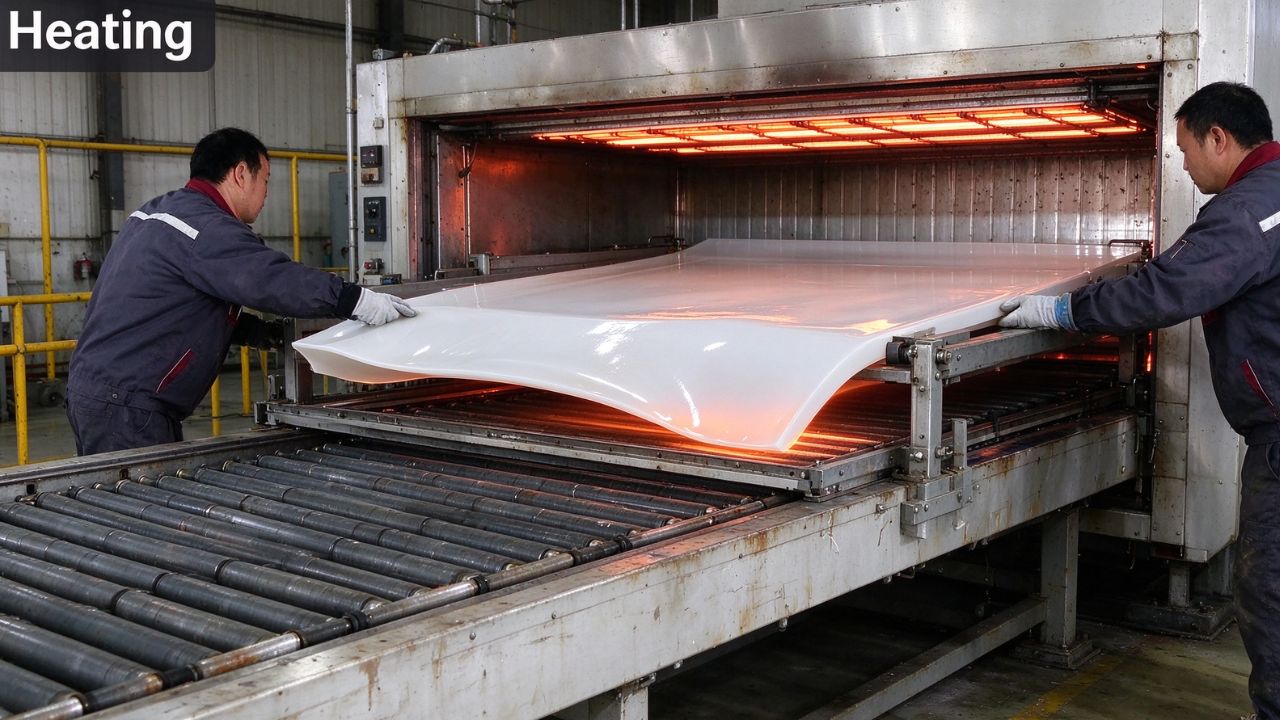
Heater set temperatures range from 140–190°C, varying with heater-to-sheet distance, sheet thickness, and equipment specifications. The optimal sheet surface temperature for consistent, defect-free forming is 160–220°C. When the temperature is too low, the material will not soften sufficiently, making molding difficult. When the temperature is too high, the material may degrade, yellow, or develop bubbles.
The heating time depends on the heater’s power and the ambient temperature. The degree of sagging of the sheet material can serve as a visual indicator for determining whether the sheet material has reached its optimal softness. When the sheet begins to sag evenly and moderately, the optimal forming condition has been achieved.
Vacuum Forming
After the PC sheet has softened, it must be positioned over the mold and clamped to form an airtight seal within 3–5 seconds to prevent a temperature drop that could affect molding quality. Next, a vacuum system generates a vacuum gauge pressure of 0.06–0.085 MPa, drawing the PC sheet tightly against the mold surface for full shape replication.
For simple shallow-draw parts, 0.06–0.07 MPa is sufficient. For deep-draw parts or parts with fine surface details, 0.08–0.095 MPa is recommended. Vacuum should be applied in a gradual, staged manner, starting slowly to avoid sudden uneven stretching and sheet thinning, then accelerating to ensure full mold contact.
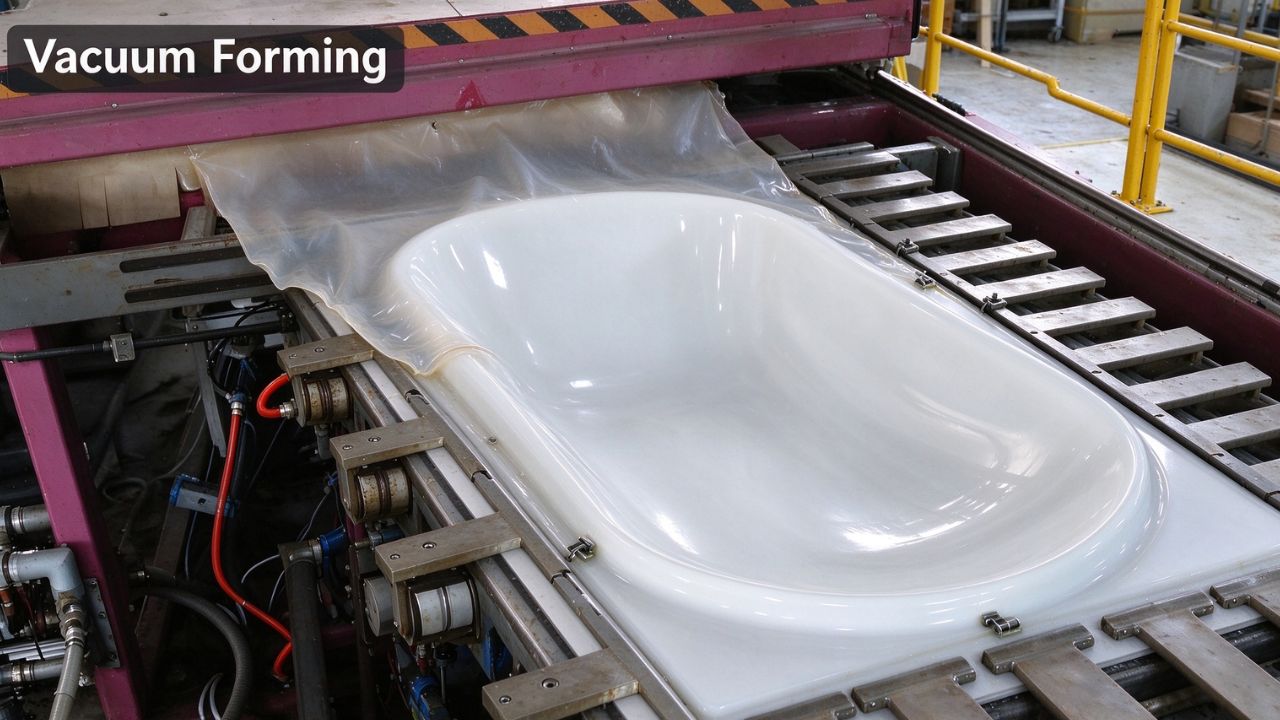
There are two molding methods to choose from. The process of male mold forming ensures excellent accuracy in both internal dimensions and inner surface quality, and also permits a higher draw ratio. While this makes it suited for your thin-walled components with strict internal tolerance specifications, one must note that the resulting wall thickness is not uniform, being greater at the base and reduced on the side walls. Female mold forming produces parts with a smooth, high-quality outer surface and precise external dimensions, with relatively uniform wall thickness across flat areas.
Cooling
Cooling methods include natural cooling, forced convection cooling with fans, and mist spraying or cooling via water channels within the mold. Among these, mist spraying or cooling via water channels within the mold is the most efficient.
Vacuum must be maintained throughout the cooling and sizing phase, and the cooling rate should be uniform and moderately fast.
The mold also affects the uniformity of cooling. Aluminum molds have superior thermal conductivity and can shorten cooling time. Typically, the cooling time is 1.5 to 2 times the heating time.
Demolding
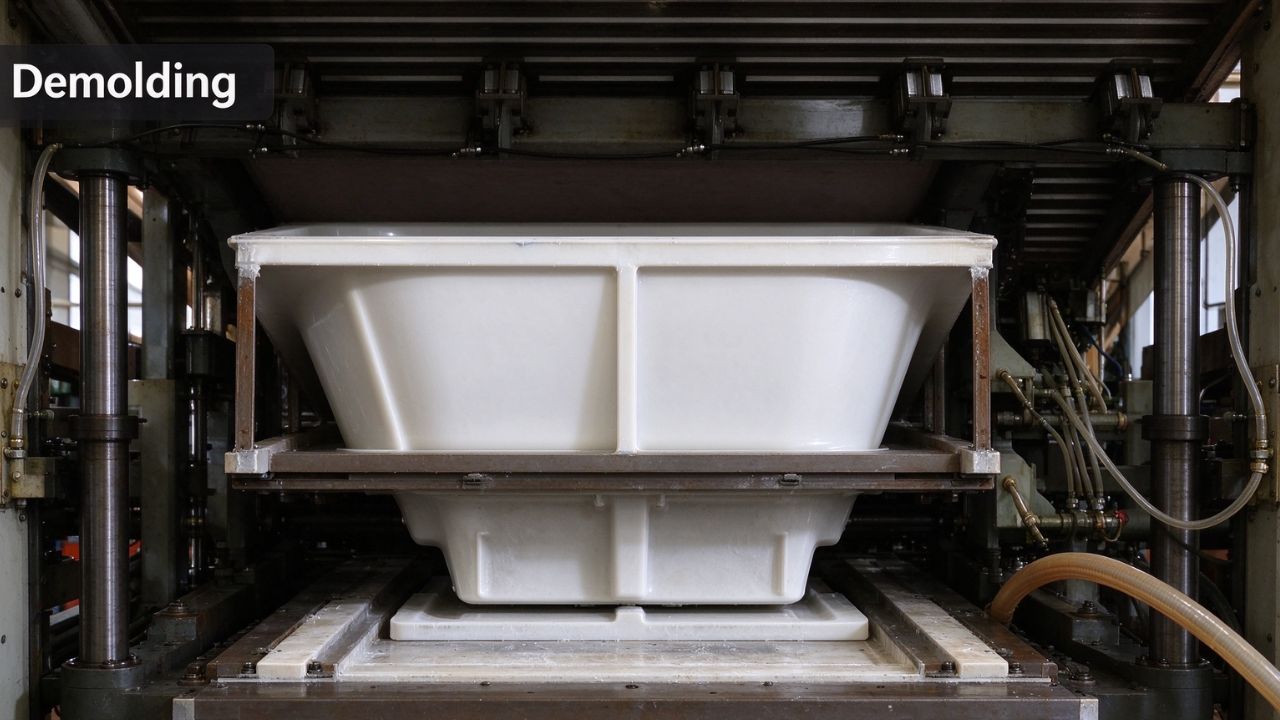
Demolding should be performed after the part has cooled to below its heat distortion temperature (HDT), typically 60–80°C for unreinforced PC, and has achieved full dimensional stability. When removing the part, turn off the vacuum system, restore the normal atmospheric pressure inside the mold, and then remove the part from the mold.
If necessary, use compressed air at 0.2–0.4 MPa to assist in ejecting the part. If demolding is difficult, this indicates that the draft angle is insufficient. Before demolding, ensure that the draft angle is greater than 3°.
Trimming and Post-processing
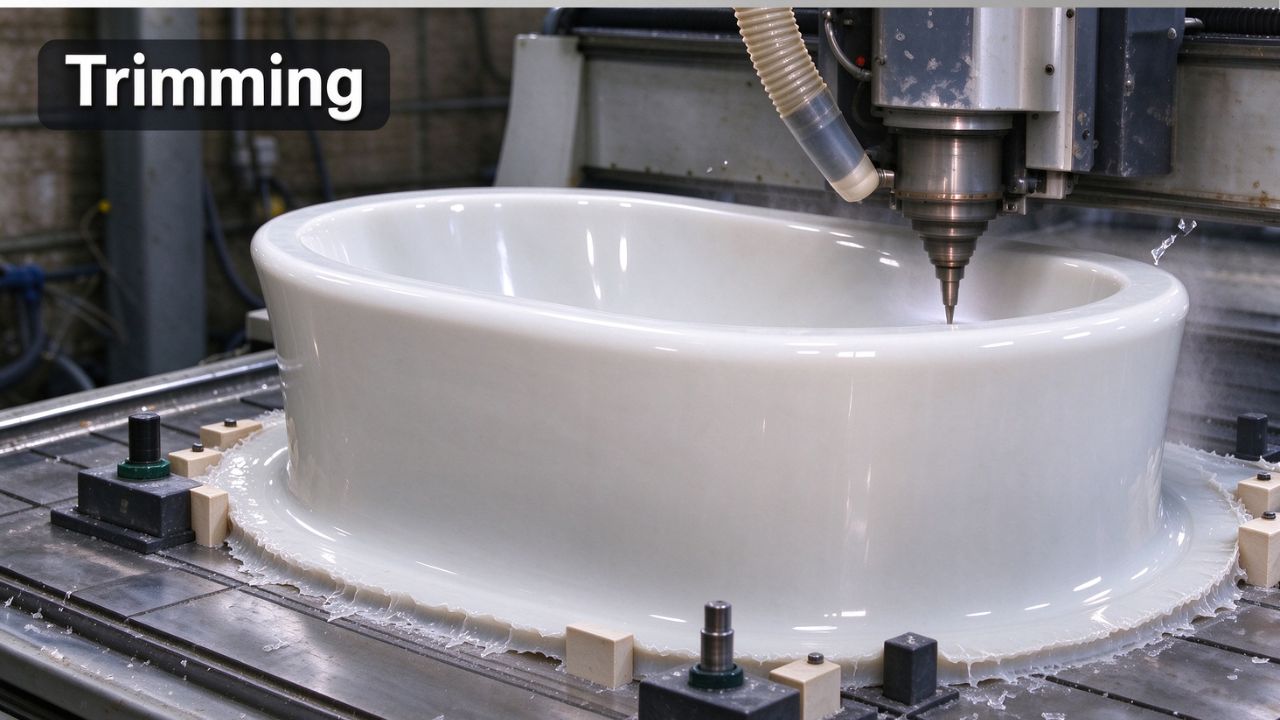
The edges of the parts usually need to be trimmed after demolding. The methods include straight-edge cutting, rotary cutting, CNC cutting, or punching.
Post-processing includes machining, surface treatment, applying a UV coating, as well as assembly and packaging. Machining operations include drilling, slotting, and tapping, etc., and they will be carried out according to your specific product requirements. The surface treatment includes polishing to remove fine scratches and burrs and improve optical clarity, as well as flame treatment to enhance surface adhesion for subsequent spray coating or screen printing.
Additionally, spray coating and screen printing are used to decorate the product and apply functional coatings. A UV coating is applied to extend your product’s service life.
Advantages of Polycarbonate Vacuum Forming
In terms of material properties, vacuum-formed PC offers high impact resistance, good thermal stability, outstanding optical transparency, and chemical stability. This ensures the durability, safety, and wide range of applications of the product.
Economically, vacuum-forming PC requires low mold costs and has a short development cycle, making it highly suitable for producing large components. Therefore, this process can save time and money for your project.
In terms of a manufacturing perspective, PC vacuum forming offers high material utilization, allows for the production of various shapes, and facilitates post-processing. This process offers a high degree of flexibility in the manufacturing of your products.
Environmentally, PC production scrap is fully recyclable, and most shallow-draw parts formed with polished aluminum molds can be produced without release agents, reducing secondary contamination and supporting sustainable production.
The Applications of Polycarbonate Vacuum Forming
Automotive Industry
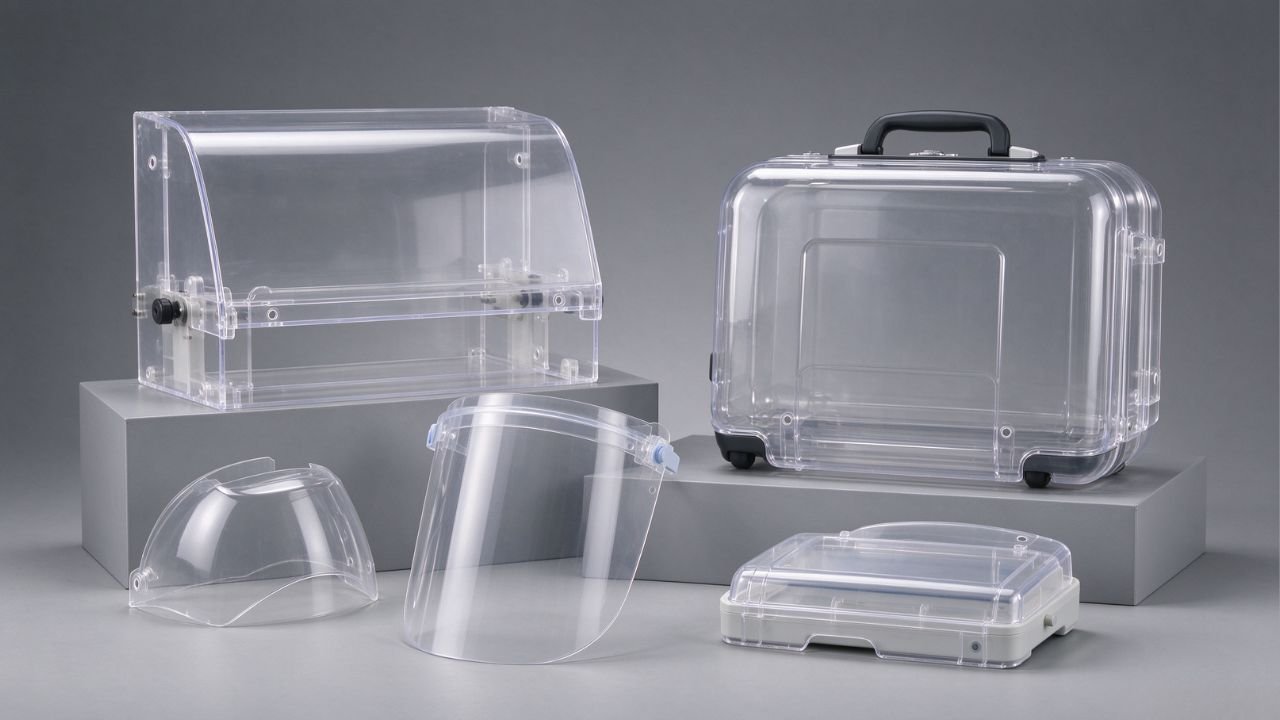
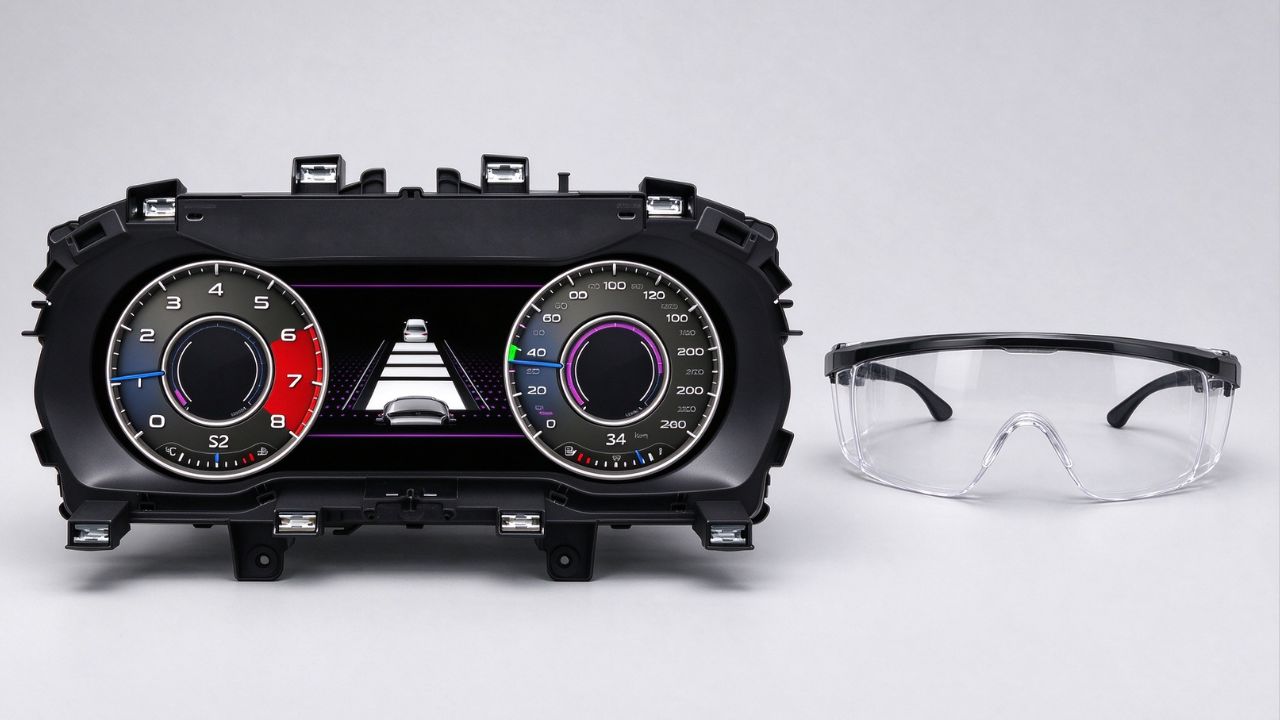
The industry is the largest application market for PC vacuum forming, with PC used in automotive dashboards, interior trim panels, and automotive headlamp lenses, etc. Its high resistance to impact, transparency, heat resistance, and lightweight characteristics perfectly meet the requirements of these applications.
Medical Industry
This industry primarily leverages PC’s high transparency, impact resistance, and ease of cleaning and disinfection. Examples include housings for medical devices, safety goggles, and medical equipment protective enclosures.
Electronics and Appliances Industry
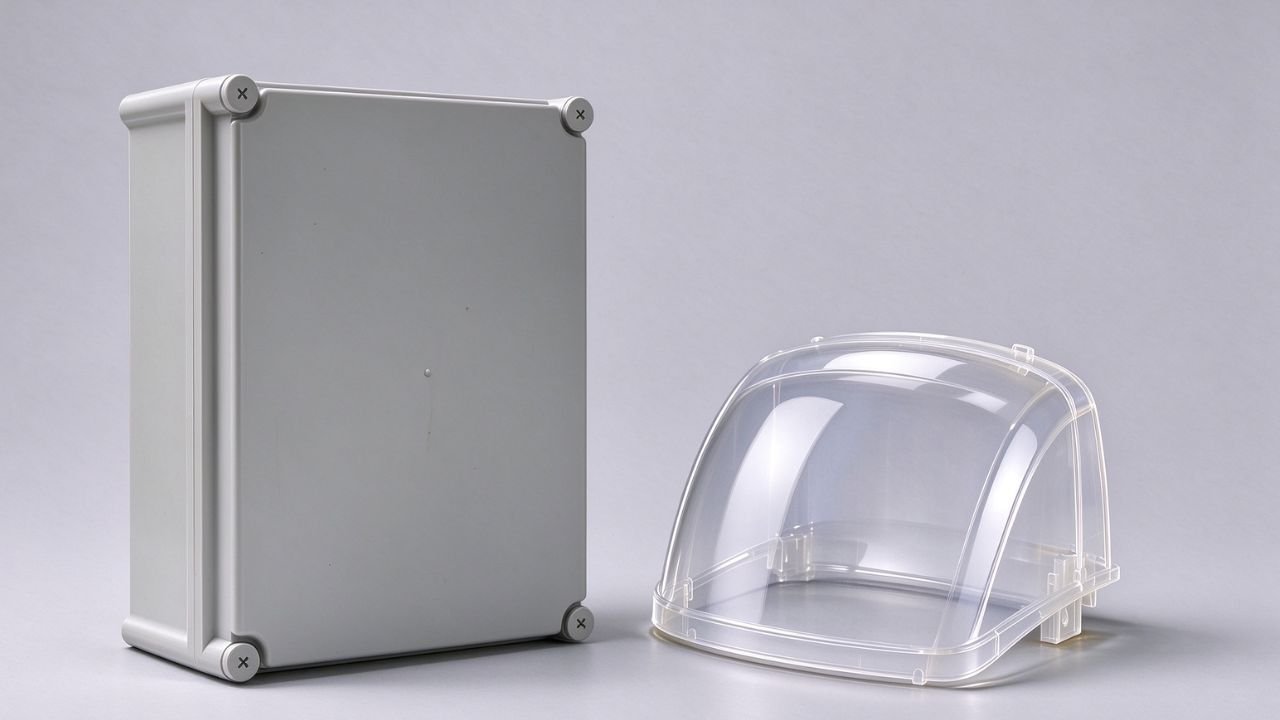
PC vacuum forming is primarily used in LCD bezels, refrigerator liners, and electrical insulation components. This leverages PC’s insulating properties, heat resistance, dimensional stability, and high strength.
Lighting and Construction Industry
The PC vacuum forming technology is mainly used for manufacturing the shells of lighting fixtures, semi-transparent covers, and advertising light boxes. This is mainly because the light transmission, weather resistance, and formability of PC perfectly meet these requirements.
FAQs
What Causes Warping and Deformation after PC Vacuum Forming?
The main reasons include uneven heating or cooling of the material sheet, improper demolding techniques, and uneven stretching of the material. During the next operation, please ensure uniform heating and cooling, provide sufficient draft angles, demold the parts in a smooth and even manner, and verify that the material is completely dry. Following these steps can help prevent warping and deformation after molding to a certain extent.
What are the Differences between Injection Molding and Vacuum Forming for PC Sheets?
Injection molding and vacuum forming of PC sheets differ in principle. Vacuum forming involves heating a PC sheet until soft, then using vacuum pressure to draw it tightly against the mold surface. The injection molding process involves melting plastic pellets, injecting the molten material under high pressure into a mold, and then cooling and solidifying it.
If you need to manufacture large, thin-walled enclosures with simple structures, vacuum forming is the preferred method. If you need mass production of complex structures, high-precision products, injection molding is a good choice.
What are the Differences between PC Vacuum Forming and PMMA Vacuum Forming?
PC vacuum forming and polymethyl methacrylate (PMMA) vacuum forming differ in terms of material properties, processing requirements, and applications in vacuum forming. PC has high impact strength and 88% light transmittance, but because of its hygroscopicity, need drying in advance and hardening or outdoor use uv coating.PMMA has a high light transmittance of 92%, better surface hardness and weather resistance, and does not require pre-drying, but it is more brittle. PC is suitable for protective components and automotive parts, while PMMA is used in interior decoration, signage, and lampshades.
How Should the Holes in a Vacuum Forming Mold be Designed?
As a standard design rule, the diameter of vacuum holes cannot exceed half the sheet thickness. The thinner the material, the smaller the hole diameter should be. For materials with a thickness less than 2 millimeters, a hole with a diameter of 1 millimeter is usually used.
In addition, the position of the hole must also be carefully considered. Vacuum holes are generally located at the lowest point of the cavity and at feature transitions and deep cavity corners, and one hole is required at each corner. The recommended spacing between holes is 20 mm.
What are the Materials Used in PC Vacuum Forming Molds?
Common mold materials are:
- Aluminum is suitable for mass production and has excellent heat-conducting properties.
- Wood or medium-density fiberboard (MDF) is inexpensive and easy to process, making it suitable for prototype production and small-scale trial production.
- Epoxy resin is suitable for small and medium-scale production and can achieve excellent surface smoothness.
- 3D printing materials, which can be used in conjunction with 3D printing technology, are capable of manufacturing molds with complex structures and are suitable for prototype production.
Final Thought
PC vacuum forming not only meets the processing requirements of complex shapes and large-sized PC parts, but also helps enterprises to reduce production costs and improve processing efficiency. If you are looking for reliable PC vacuum forming processing services, Zoycen can provide customized services based on your product requirements.