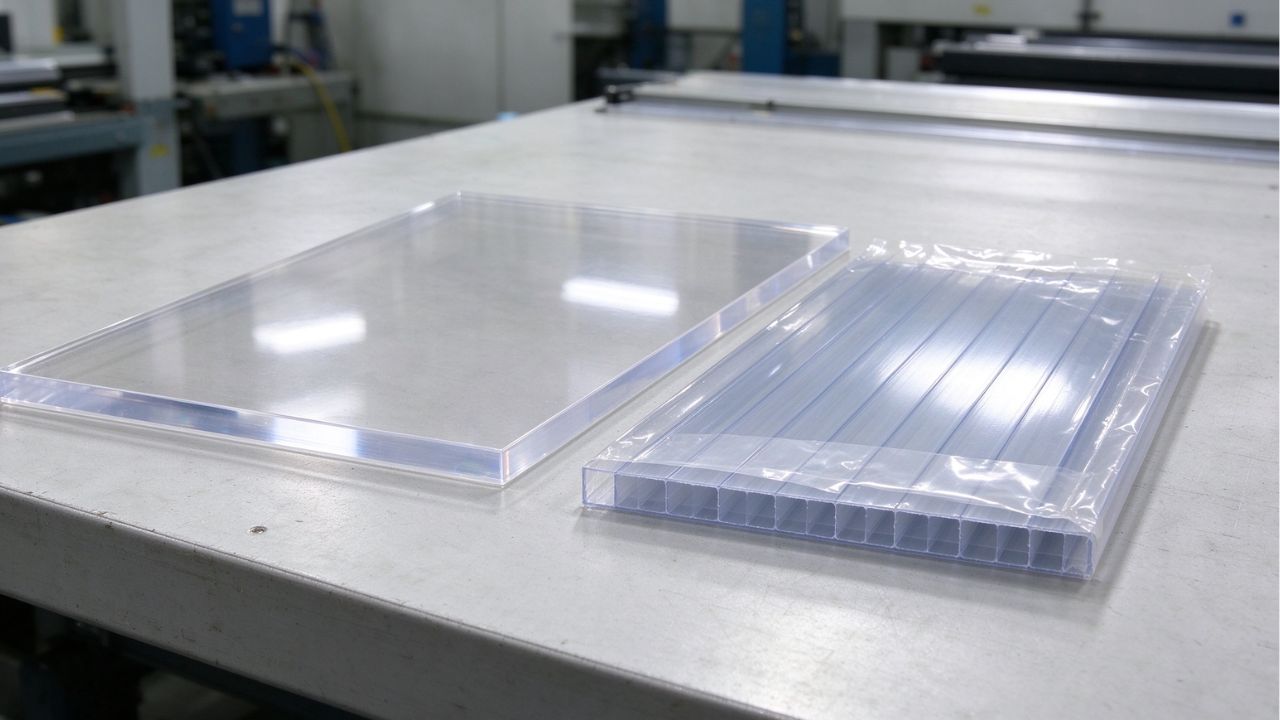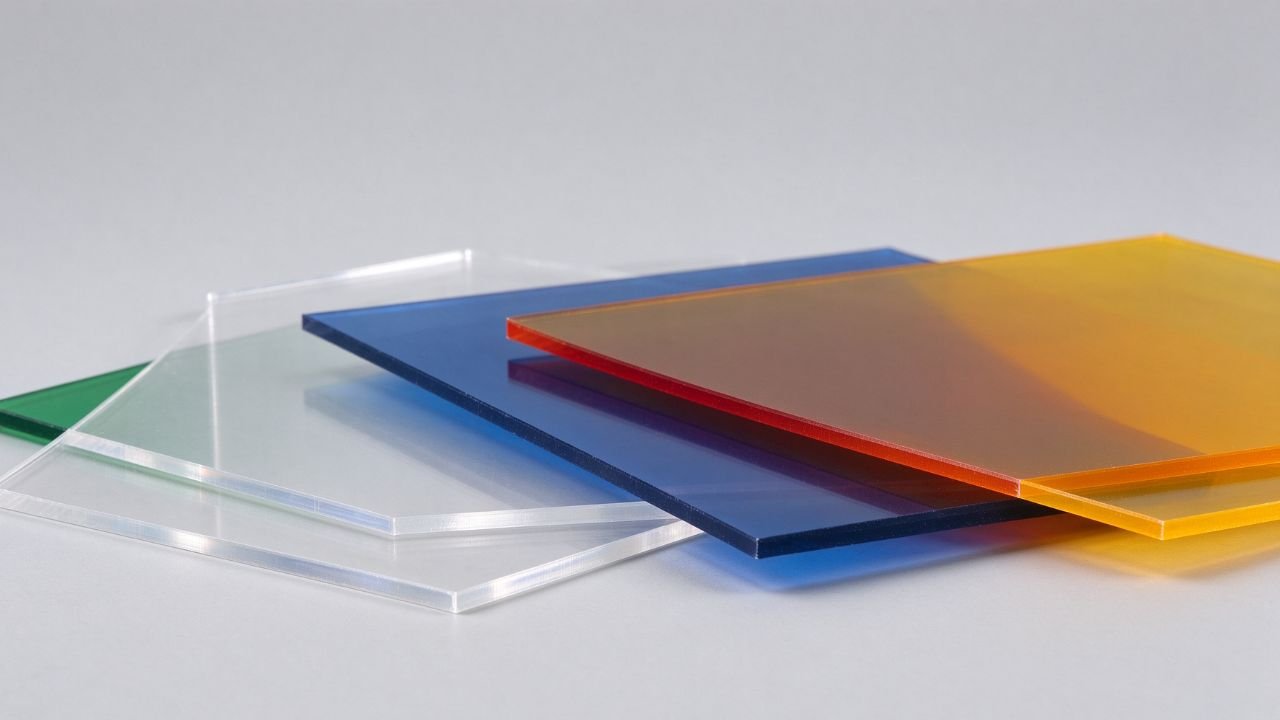
Polycarbonate (PC) thermoforming involves heating, forming, cooling, and trimming PC sheets to produce parts with complex curved surfaces and high strength requirements. This article provides a detailed overview of the mainstream processing technologies, advantages, and applications of polycarbonate thermoforming to help you select the processing solution best suited to your project’s needs.
What is Polycarbonate Thermoforming?
PC thermoforming is a thermoforming process that uses PC sheets as raw material. Thermoforming is a polymer processing technique in which flat thermoplastic sheets are heated to their softening temperature and then shaped by applying mechanical force or a pressure differential to conform them to a mold. After cooling, the parts are trimmed to produce the final product.
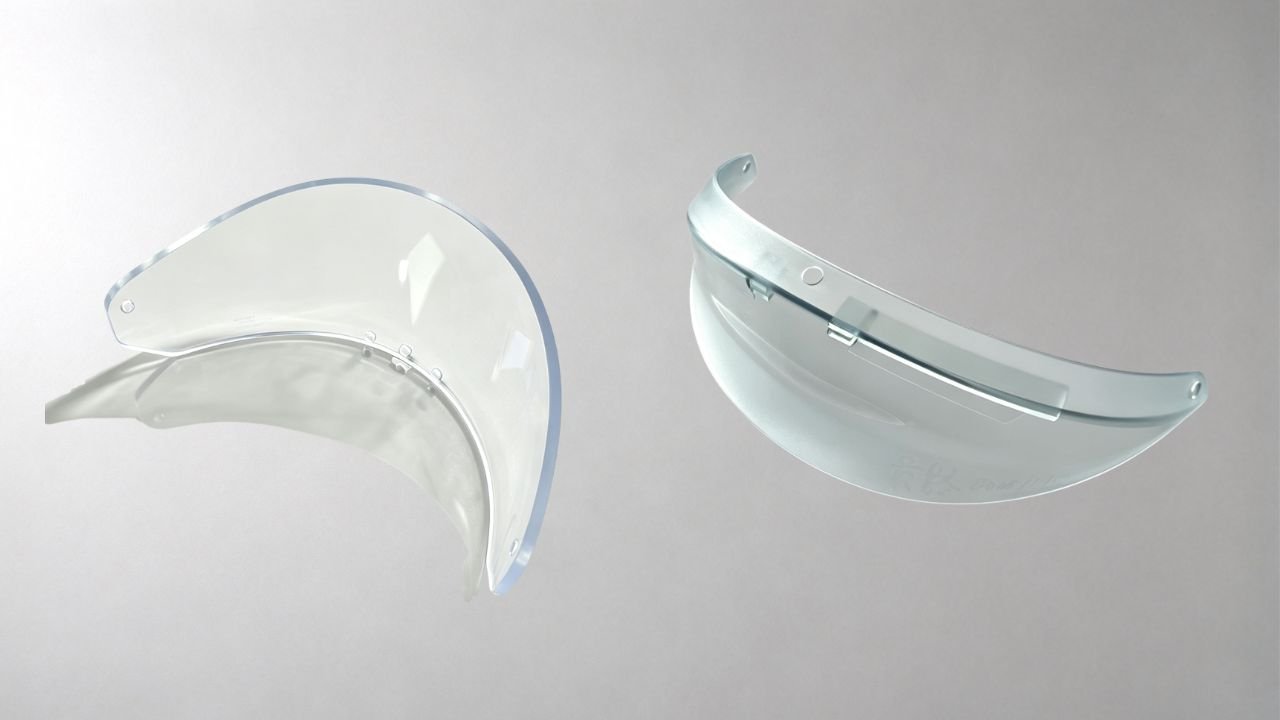
The Core Process of Polycarbonate Thermoforming
Clamping and Heating
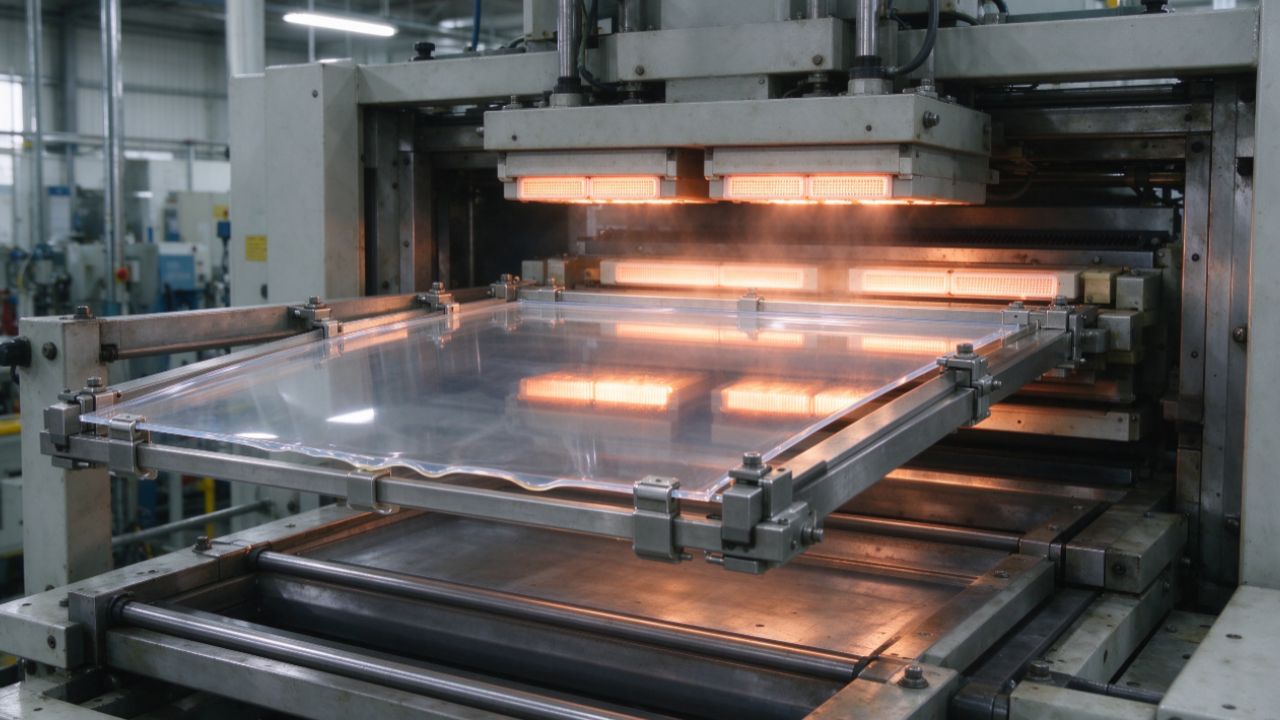
First, secure the PC sheet with clamps and feed it into the heating zone. Infrared ceramic heaters are typically used for heating, as they allow for precise temperature control of the sheet’s surface, thereby preventing poor thermoforming results caused by cold spots. Thinner sheets less than 3 mm thick are typically processed at temperatures of 170–180°C, while thicker sheets ranging from 3 to 10 mm require temperatures of 180–195°C to ensure uniform softening throughout the thickness while preventing overheating of the surface.
Both insufficient and excessive heating can affect your product quality, so temperature must be strictly controlled. PC thermoforming typically processes sheets from 0.5 mm to 12 mm thick, with most industrial applications using 1.5 mm to 8 mm material.
Forming
The softened sheet is transferred to the forming station, where it is conformed to the mold via vacuum suction, compressed air pressure, or mechanical force. The applied pressure must be matched to the PC sheet’s tensile properties to prevent cracking.
Cooling and Setting
While maintaining pressure, the mold is rapidly cooled using air or water cooling to bring the PC sheet’s temperature below its thermal deformation temperature. The cooling process must be uniform to prevent product cracking and deformation.
Trimming and Post-Processing
The cooled, formed PC sheet is removed from the mold and then trimmed using a CNC milling machine, punching dies, or a high-speed circular saw. Subsequently, depending on your product requirements, annealing, surface coating, or CNC finishing may be performed.
Mainstream Processing Technologies for Polycarbonate Thermoforming
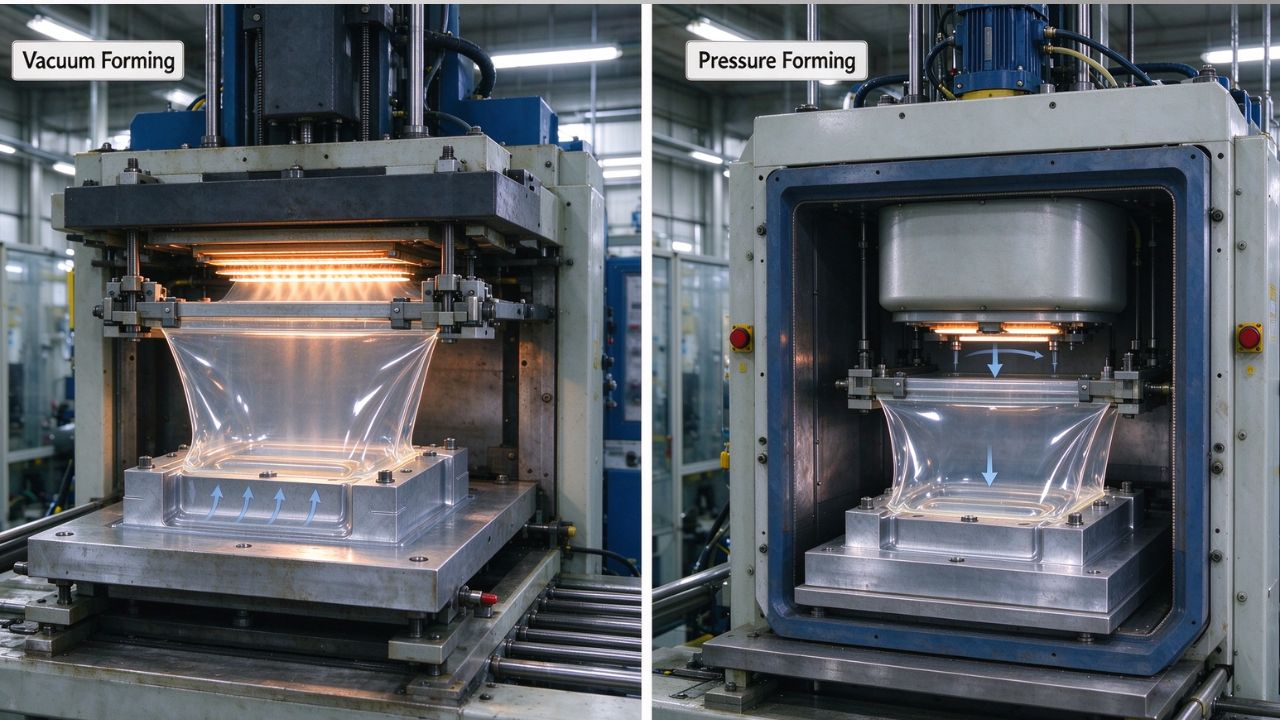
Vacuum Forming
Vacuum forming is the most commonly used and least expensive thermoforming method. PC sheets, which have been heated and softened, are placed on a mold; the air between the sheet and the mold is evacuated, and then atmospheric pressure is used to press the sheet against the mold’s surface.
Vacuum forming is fast and cost-effective, making it suitable for your high-volume production. However, the forming pressure is limited, with a theoretical maximum of 0.1 MPa. This method is suitable for large, flat products such as advertising lightbox panels and signage.
Pressure Forming
Pressure forming builds upon the vacuum forming process by applying an additional 0.3–0.7 MPa of compressed air, which allows the sheet to be pressed more thoroughly into the fine details of the mold.
Products made using pressure forming exhibit slightly higher precision than those produced by vacuum forming. This process is suitable for automotive interior panels, precision electronic enclosures, and similar applications.
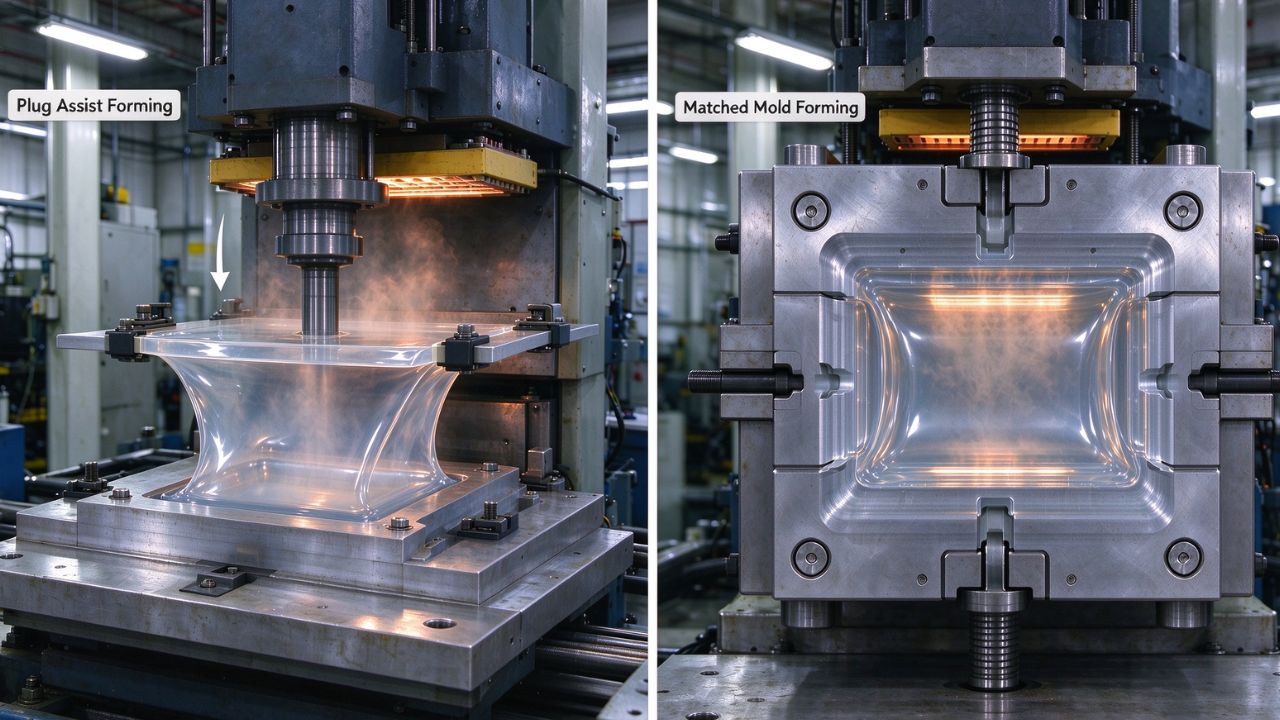
Plug Assist Forming
Plug assist forming uses a solid plug to pre-stretch the heated sheet before vacuum or pressure is applied. This redistributes the PC sheet more evenly across the mold cavity, drastically reducing thinning at the bottom of deep-drawn parts.
It is the preferred method for parts with high draw depth and moderate thickness tolerance requirements.
Matched Mold Forming
In matched mold forming, a male and female mold clamp together to form the heated PC sheet. It delivers the most consistent wall thickness among all thermoforming processes, with minimal thinning, and preserves the sheet’s inherent strength and UV resistance.
This makes it ideal for structural transparent parts and protective covers with strict thickness tolerance requirements. But the primary drawback is its higher mold manufacturing and maintenance costs.
The Advantages of Polycarbonate Thermoforming
High Optical Transparency
PC has a light transmittance of 88%–90%, approaching the optical performance of inorganic glass, and retains excellent optical uniformity even after thermoforming. With optimized process control, PC parts can achieve low-stress birefringence even in large transparent structures with complex curved surfaces.

Excellent Impact Resistance
PC’s notched impact strength is 250 times that of ordinary glass and more than 10 times that of high-impact PMMA. During the thermoforming process, the molecular chains align along the stretching direction, which further enhances impact resistance in that specific direction.
Superior Heat Resistance
Under a load of 1.82 MPa, PC has a heat deflection temperature of 130–140°C. It can still maintain dimensional stability and structural integrity even in a long-term high-temperature environment.
Flame-Retardant Properties
PC is self-extinguishing; the flame goes out as soon as it is removed from the heat source. The standard grade meets UL 94 V-2, and modified grades can achieve V-0 or 5VA ratings.
Sterilizability and Biocompatibility
Medical-grade PC must comply with ISO 10993 and USP Class VI standards. It must be capable of withstanding various sterilization methods, including high-temperature steam, gamma rays, and ethylene oxide, without any degradation in performance.
The Applications of Polycarbonate Thermoforming
Automotive Industry
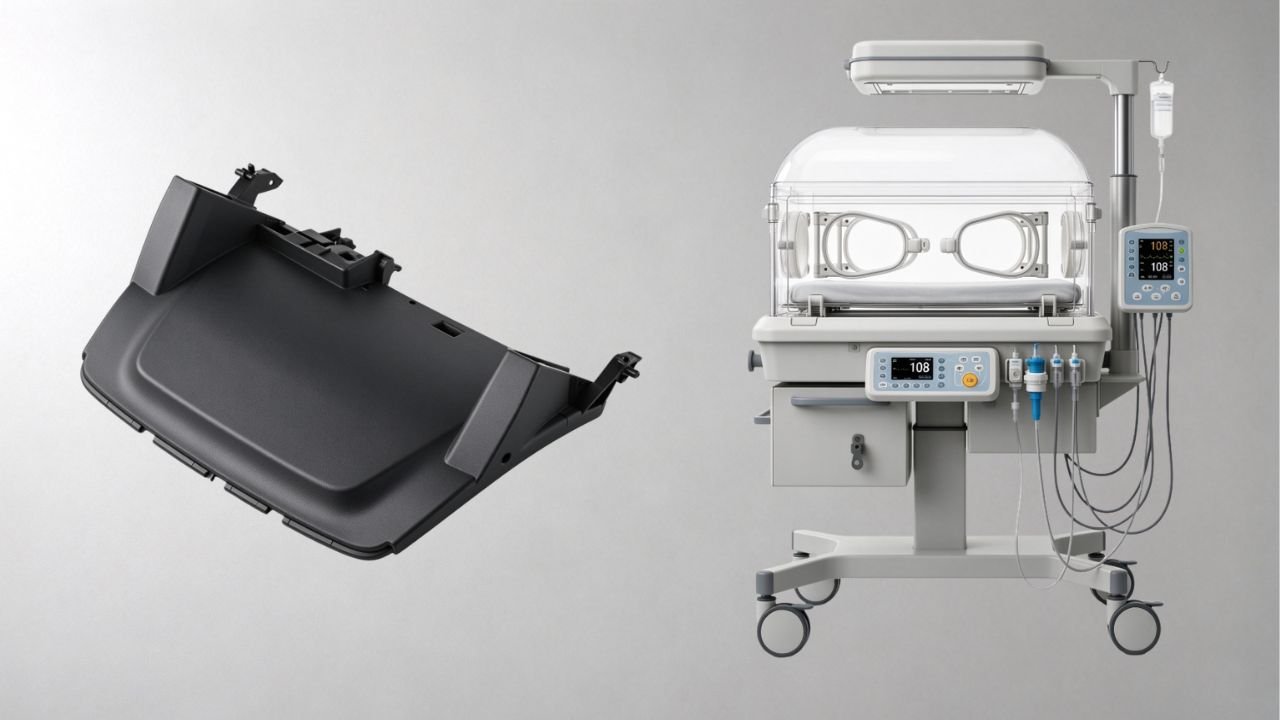
In the automotive industry, PC thermoforming technology is widely used in the production of interior and exterior structural components and functional parts, including panoramic sunroofs, dashboard covers, high-voltage connector housings, and charging port covers, etc. This process can form large curved surfaces in one step, thereby reducing assembly steps and lowering the overall weight of the parts.
Medical Industry
The medical industry has extremely high requirements for the safety, reliability, and transparency of materials, and medical-grade PC fully meets these requirements. Common applications include surgical face shields and goggles, infant incubators, and consumables for bacterial culture and tissue engineering. Thermoforming produces seamless transparent parts that leverage PC’s biocompatibility and sterilization resistance.
Electronics and Electrical Industry
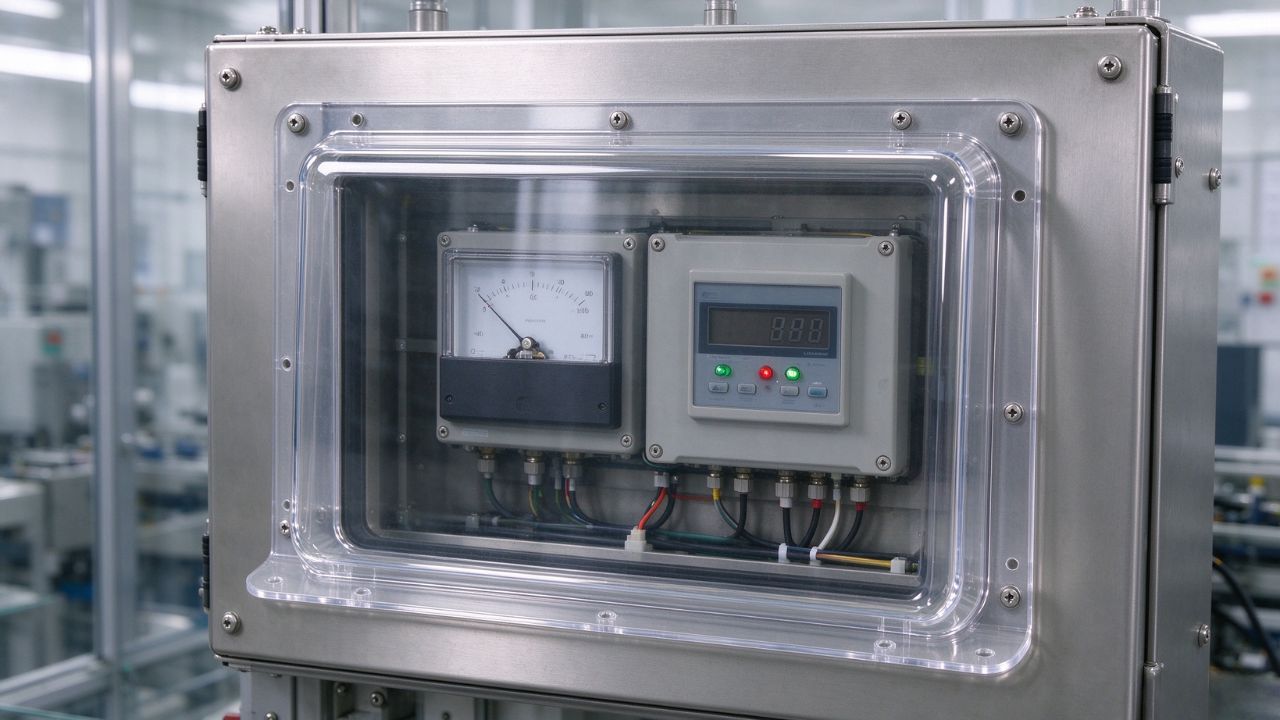
In the electronics and electrical industry, PC is primarily used for industrial control cabinets, equipment enclosures, transparent viewing windows for instruments and meters, and LED lighting diffusers and lenses.
These applications take advantage of the inherent flame-retardant properties and optical transparency of PCs, while thermoforming delivers fast prototyping and low tooling costs for custom parts of varying sizes.
FAQs
How to Choose Between PC and PMMA in Thermoforming?
You can make a decision based on the application and performance requirements of your product. If your product requires good impact resistance and heat resistance, PC can meet your needs. If your product is intended for applications where transparency and surface hardness are required, PMMA is the best choice. When cost is a limiting factor, you may want to consider PMMA.
How Do You Choose Between PC Thermoforming and Injection Molding?
When deciding between PC thermoforming and injection molding, the main factors to consider are production volume, size, and wall thickness requirements. For medium-volume production with an annual output of 100 to 10,000 units, thermoforming is more cost-effective due to lower tooling costs. However, for high-volume production exceeding 10,000 to 15,000 units per year, injection molding offers a lower unit cost. This threshold varies depending on the size and complexity of the part. For larger components, even with higher production volumes, thermoforming remains a more advantageous option.
What Causes Air Bubbles to Appear in PC Thermoformed Products?
The root cause of bubbles in PC thermoformed products is moisture sensitivity, resulting from insufficient pre‑drying, prolonged exposure after opening, excessive heating, or internal defects.
Solutions include:
- Depending on the thickness, place the PC board in an oven at 120-130 °C and bake for 2-6 hours to ensure that the moisture content is below 0.02%.
- Store sheets in a low-humidity environment and complete forming within 24 hours of opening the original packaging.
- Strictly control process temperature and time to avoid prolonged heat.
Can Thermoformed Polycarbonate Parts be Coated or CNC Machined?
Yes. There are many types of coatings, and each has a specific purpose. For example, UV-protective coatings block ultraviolet rays to prevent the PC sheet from yellowing and aging. Hardened coatings enhance surface wear and scratch resistance. Conductive or antistatic coatings provide electromagnetic shielding or antistatic properties.
CNC machining is the standard post-processing step for most precision thermoformed PC parts. It is important to note that processing PC generates frictional cutting heat, which may lead to local overheating, melting, or stress cracking. Therefore, sharp carbide cutting tools and appropriate coolant should be used during machining.
Can the Wall Thickness of PC Thermoformed Products Be Uniform?
It cannot be completely uniform because thermoforming is, by its nature, a process of stretching and deforming sheet material. The PC sheet, softened by heating, is stretched to conform to the mold under the combined action of pressure and vacuum. The degree of stretching varies at different parts. For example, the area near the bottom of the mold is stretched the most and is prone to thinning, while the edges of the mold will retain their original thickness.
Possible solutions include choosing a suitable mold for forming, increasing the initial thickness, optimizing the mold design, or incorporating pre-stretching.
Final Thought
PC thermoforming combines material properties with process flexibility, making it a reliable manufacturing option for transparency, lightness, and reliability in numerous industries. If you’d like to learn more about this manufacturing technology or would like to incorporate PC thermoforming into your products, please contact us.